


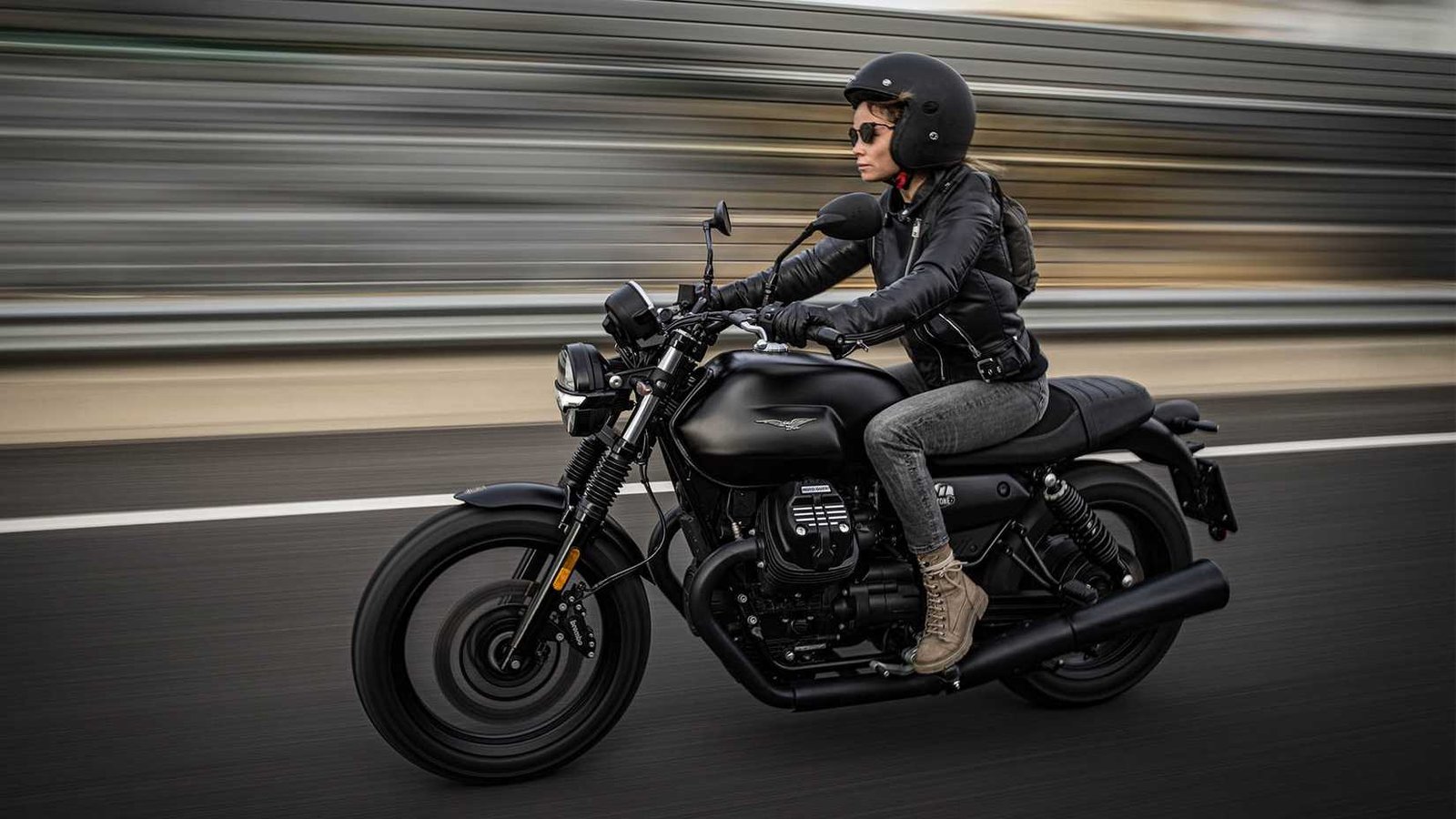
We have always associated V-twin engines with cruiser motorcycles. A big-twin is a defining characteristic of these low-slung machines. However, because of this norm, we often forget that an exciting, eccentric lineup of V-twin-powered motorcycles sits well below 1,500 cc. This list explores the smallest V-twins on motorcycles, some of which blend cruiser-grade character with daily riding comfort and convenience. Some of these V-twin bikes have enough charisma to put larger machines to shame. This list is organized in descending order of engine size.
Moto Guzzi V7
Displacement: 853 cc

This is the only production motorcycle today with a transverse 90-degree V-twin engine. This engine is what adds drama to an otherwise normal roadster. Powering the Moto Guzzi V7 lineup is an air-cooled 853 cc V-twin that produces 67.3 horsepower at 6,900 RPM and 58.3 pound-feet of torque at 4,400 RPM. Moto Guzzi claims this mill is very versatile, with 95 percent of its torque available at 3,500 RPM. Power goes to the rear wheel through a six-speed manual gearbox and a final shaft drive.
Suzuki Boulevard C50
Displacement: 805 cc

At the heart of the old-school-vibing Suzuki Boulevard C50 sits one of today’s most reliable V-twin engines. The 45-degree, liquid-cooled V-twin has a low compression ratio and gets 4 valves per cylinder from an SOHC head. It produces 52 horsepower at 6,000 RPM and 51 pound-feet of torque at just 3,200 RPM. The early, wide torque spread and linear performance curve make this Suzuki cruiser’s V-twin very flexible. Power goes to the rear wheel through a wide-ratio five-speed gearbox with a tall fifth gear for comfortable highway cruising.
Ducati Scrambler Icon
Displacement: 803 cc

The smallest Ducati Scrambler models are powered by a proven 803 cc, air-cooled L-twin engine. It produces a respectable 73 horsepower at 8,250 RPM and 48.1 pound-feet of torque at 7,000 RPM. Power goes to the rear wheel through a six-speed manual gearbox with a hydraulically controlled slipper and self-servo wet multiplate clutch. Aiding its dramatic character is a Desmodromic valve train, a Ducati trademark. This means purely mechanical components for precise valve opening and closing, which also helps the engine rev higher.
Honda Shadow Phantom
Displacement: 745 cc

This custom-styled Honda cruiser has set the benchmark for durability, affordability, and longevity. Its long-standing, highly refined V-twin engine is the secret. Powering the Shadow Phantom is a 745 cc liquid-cooled V-twin that Honda has been perfecting since 1997. This reliable mill produces 44.9 horsepower at 5,500 RPM and 47.9 pound-feet of torque at 3,500 RPM. Endurance and versatility are key features, with long-lasting internals, meaty low-end torque, and a durable final-drive system that sends power to the rear wheel via a five-speed manual gearbox.
Suzuki SV-7GX
Displacement: 645 cc

The SV-7GX is a brand-new sport-tourer from Suzuki. But at its heart sits a 25-year-old engine that has proven the insane levels of reliability and refinement a V-twin can offer. On the SV-7GX, the SV650-sourced 645 cc V-twin produces 72.4 horsepower at 8,500 RPM and 47.2 pound-feet of torque at 6,800 RPM. Power goes to the rear wheel through a six-speed manual gearbox. This engine is tuned for plenty of real-world punch, and its beginner-friendly power delivery sets it apart from its middleweight touring counterparts.
Suzuki SV-7S
Displacement: 645 cc

The Suzuki SV-7S essentially packs a reworked, refined version of Suzuki’s long-standing, trusted liquid-cooled 645 cc 90-degree V-twin. Blending classic character with modern electronic enhancements, the SV-7S produces 72.4 horsepower at 8,500 RPM and 47.2 pound-feet of torque at 6,800 RPM. Power is sent to the rear wheel via a six-speed manual gearbox. While it’s essentially the same 645 cc mill as the SV650 streetfighter, Suzuki has made notable updates to this powertrain and its supporting components. These include a refined gearbox and clutch to pair better with a quickshifter, new cogs, a new gear position switch, a starter clutch, and an updated clutch mechanism.
Benda Chinchilla 500
Displacement: 475.6 cc

Interestingly, the sub-500 cc V-twin lineup is more exciting than the big ones. The Benda Chinchilla 500 is proof that a tiny V-twin can add as much and even more character than the big-twin cruisers. It offers Harley-Davidson DNA for under $6,500. Its chirpy 475.6 cc liquid-cooled V-twin is versatile and made for the streets. It produces 47 horsepower at 9,000 RPM and 31 pound-feet of torque at 7,200 RPM. Power is sent to the rear wheel through a six-speed manual gearbox and a final belt-drive system.
Benda Napoleon Bob 500
Displacement: 475.6 cc

The Napoleon Bob 500 deploys the same V-twin engine as the aforementioned Chinchilla 500 but has a distinctive character and visual appeal to match its custom bobber styling. It produces 47 horsepower at 9,000 RPM and 31 pound-feet of torque at 7,200 RPM. This engine complements the custom bobber styling, delivering a rhythmic pulse and low-end character that cruiser riders love. Power is sent to the rear wheel via a six-speed manual gearbox, which further elevates flexibility across a variety of riding conditions. Its fusion of urban and highway capabilities works best when the lower gears deliver peppiness, and the upper gears make highway stints more relaxed.
Benda Chinchilla 300
Displacement: 298 cc

This is the baby Benda Chinchilla, replicating all the features of the bigger 500 but with a much smaller 298 cc V-twin engine. In fact, this is the smallest modern, liquid-cooled V-twin on sale in America. This mill produces almost 30 horsepower and 19.5 pound-feet of torque, making the Chinchilla 300 the most powerful cruiser bike under $5,000 today. It feels modern and refined, thanks to features like electronic fuel injection with CDI, an 11.5:1 compression ratio, and a pressure-and-splash lubrication system. Power is sent to the rear wheel via a six-speed manual gearbox coupled to a final low-maintenance belt drive system.
Yamaha V-Star 250
Displacement: 249 cc

The V-Star 250’s 249 cc air-cooled mill is a slice of the past that still makes sense in 2026. Yamaha shows that a pint-sized V-twin can make its mark, too. Performance is humble, with the baby V-Star producing 21 horsepower and 15 pound-feet of torque. These numbers make it the perfect classic-vibing city commuter that still delivers meaty low-end torque for a punchy riding character. Notable features that make this engine reliable, durable, and repair-friendly include a 10.0:1 compression ratio, a classic Mikuni 26 mm carburetor system, and a complementary five-speed manual gearbox with a final chain drive.
Sources: Keeway America, Moto Guzzi, Suzuki Cycles, Ducati, Honda Powersports, and Yamaha Motorsports
