


- Secretary of Transportation Sean Duffy has ordered NHTSA to reconsider fuel economy standards
- DOT says higher fuel economy standards will lead to higher prices and therefore an older, less-safe fleet
- Previous Trump agencies said higher mpg brought cost reductions and safety improvements
The Trump administration is wasting no time in attempting to roll back federal emissions standards, but it appears to be working against some of its own previous decisions in the process—even those made by the previous Trump administration.
On Tuesday night, shortly after his confirmation, new Secretary of Transportation Sean Duffy sent a letter to the NHTSA directing that agency to “commence an immediate review and reconsideration of all existing fuel economy standards” for model years 2022 forward, including Corporate Average Fuel Economy (CAFE) standards put in place by the Biden Administration that set higher efficiency targets beyond the end of the decade.
In the letter, Duffy claims that current vehicle-fleet fuel economy standards exceed statutory requirements and that lower targets would thus be sufficient. In direct contradiction to the NHTSA’s previous position on improved fuel efficiency—even under the previous Trump Administration—Duffy argues that lowering fuel economy standards will make cars cheaper and thus safer.
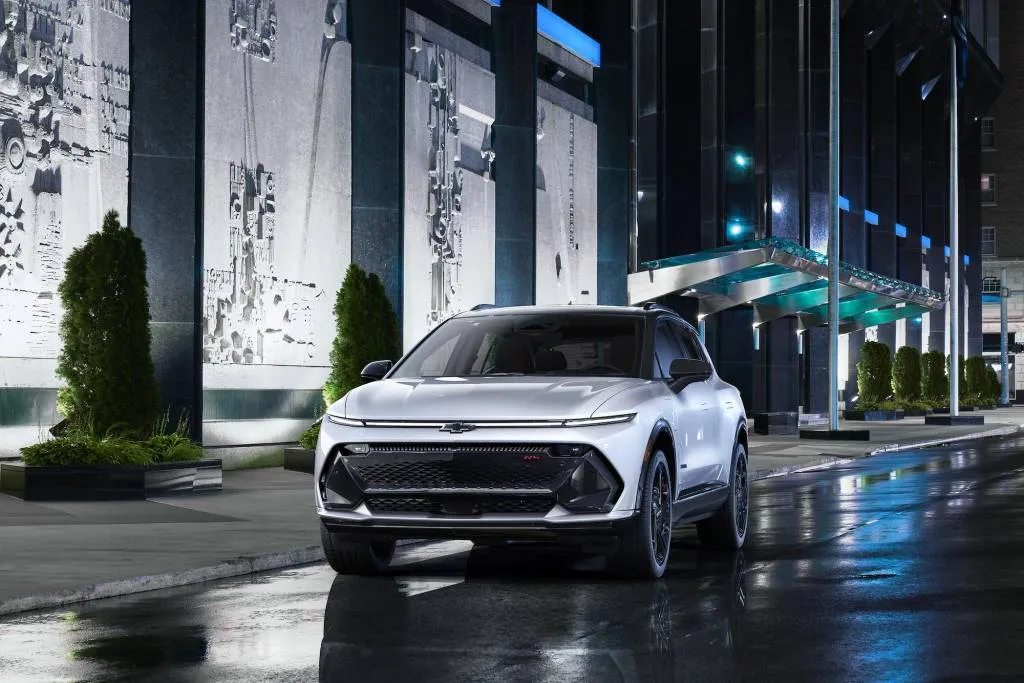
2025 Chevrolet Equinox EV
“As a result of the regulatory costs, distortions, and pressures imposed by the existing CAFE standards, more Americans will be relegated to driving older and older used vehicles, which statistics show are much less safe in a highway crash,” the new Transportation Secretary wrote.
But when the previous Trump NHTSA and EPA jointly issued the so-called Safer Affordable Fuel-Efficient (SAFE) Vehicles Rule in March 2020, setting steeper fuel economy and emissions standards for model years 2021-2026, the agencies argued that lower fuel consumption and carbon emissions for those somewhat higher standards would still go hand in hand with cost reductions and safety improvements.
Then, it saw a $1,400 cost reduction per new vehicle, and at that time, the NHTSA also said newer vehicles meant safer vehicles, but it still expected the cost savings would allow 2.7 million more new vehicles to be sold by 2029 while raising efficiency standards. The previous logic is explained in the video below.
The letter also recapitulates typical Trump talking points about eliminating subsidies for electric vehicles, claiming lower EV sales will help consumers by keeping new-car prices down, and help the auto industry as well by allowing continued focus on internal-combustion vehicles.
Although Biden’s influence started with 2022, the steeper fleet efficiency standards imposed didn’t go into effect until the 2024 model year—and in the relaxed form covered by the final rule through 2031, they go easy on gasoline trucks and SUVs.

2025 Toyota Corolla Hybrid
“This will raise consumers’ costs at the pump, increase tailpipe pollution and jeopardize U.S. automakers’ future, and no one voted for any of it,” Dan Becker, director of the Center for Biological Diversity’s Safe Climate Transport Campaign, said in a statement. “The only beneficiaries will be oil executives and China’s auto industry, which will be happy to sell electric vehicles around the world with little U.S. competition.”
Any cost reductions from less-efficient new cars will also likely be offset by new tariffs that would raise prices whether cars are assembled in the U.S. or abroad. Recent reports estimate that a proposed 25% tariff on all imports from Canada and Mexico would raise prices on Mexico-built gasoline pickup trucks by $8,000-$10,000 and add $2,100 to the cost of U.S.-assembled vehicles because of increased parts costs.
Consumer organizations and environmental groups called the declaration a favor to a specific oil-company interests at the expense of working families and the planet. “Making cars less fuel efficient was a key demand of oil executives, and this administration is delivering for them,” said Kathy Harris, director for clean vehicles at Natural Resources Defense Council. “For the rest of us, this is a harsh blow when we can afford it least.”
The DOT letter also mentions “terminating, where appropriate, state emissions waivers that function to limit sales of gasoline-powered automobiles,” likely a reference to California and its plan to end sales of most vehicles with combustion engines by 2035.
The Supreme Court has already rejected one recent challenge to California’s emissions authority, which was blocked by the Trump Administration in 2019 and then restored by the Biden administration. Last time, this move was supported by several large automakers, including General Motors, Toyota, and Stellantis predecessor Fiat Chrysler Automobiles (FCA). But those automakers are now much further along with their EV rollouts—GM even claims it achieved EV profitability last quarter—giving them more to lose this time.
