


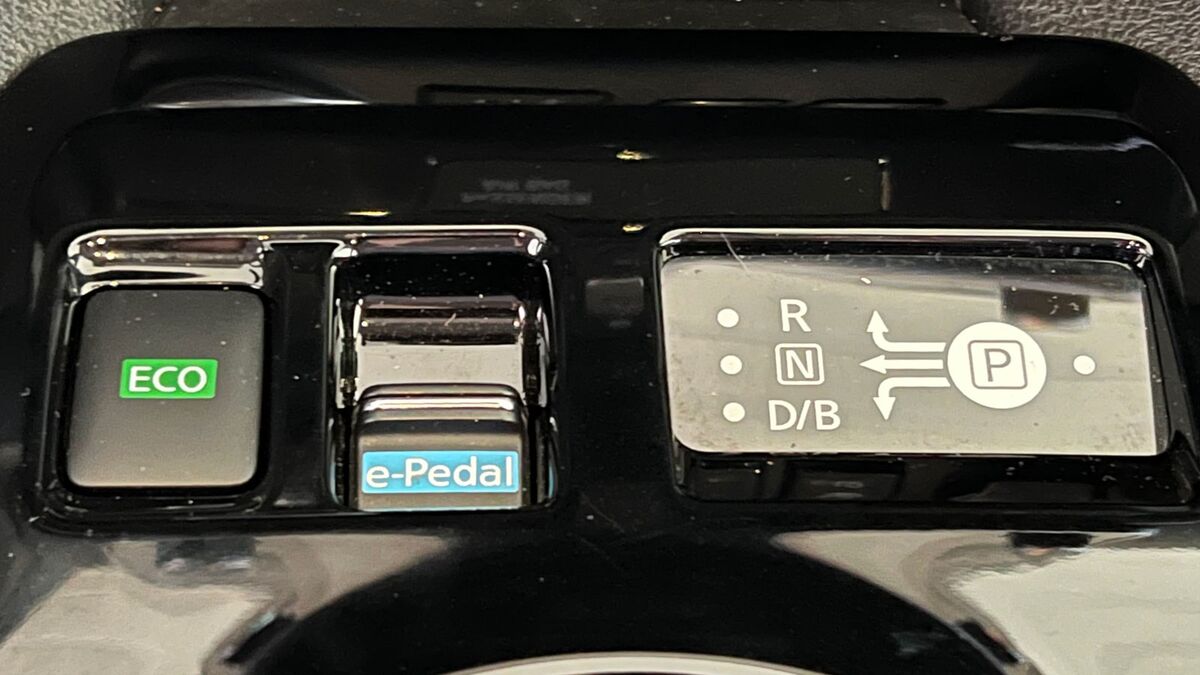
What is one-pedal driving? One-pedal driving is exactly what it sounds like; it’s when you accelerate and decelerate with the same pedal in an electric vehicle (EV). This is also sometimes known as i-pedal or e-pedal. You push down on the accelerator to speed up, and lift up to slow down at a rate that mimics typical braking force.
If you need to stop more quickly, the traditional brake pedal is still available and waits at the ready. It doesn’t take too much practice before you start completing entire drives without ever touching the brake pedal. Using only one-pedal can change your entire driving experience for the better.
What Are the Benefits?
One-pedal driving extends the brake life of the vehicle, battery range, and overall performance of the car, especially when paired with “Eco” mode.
Using this feature preserves your brakes since they’re not being used as much. It can also improve the EV range through regenerative braking. When using a single pedal to accelerate, decelerate, and stop the car, the car has excess energy to grab and send to the battery, extending the vehicle’s range. For example, research published in the Frontiers in Mechanical Engineering journal revealed drivers using a Chevy Bolt with one-pedal driving added an additional 13 miles to the estimated range of the car. Others using one-pedal will get different results depending on terrain, temperature, and other factors.
How Does It Work?
With one-pedal driving, the accelerator pedal serves as both the accelerator and brake, although you can still use on your brake pedal in any situation for safety reasons. To use one-pedal driving:
- Locate the on and off button to activate one-pedal driving, usually located near the gearshift.
- Depress the accelerator on the vehicle just as you normally would. To slow down, simply lift off the pedal.
- Before stopping, take your foot off the accelerator and allow the vehicle to slow down naturally to a complete stop. If you stop accelerating, the one-pedal will automatically slow and stop the car for you. If you misjudge for any reason, you can also use your brake pedal.
- After stopping completely, the EV remains in that position automatically during a one-pedal drive. In some EVs, it stops in place on inclines, too.
Depending on preference, drivers can adjust the one-pedal function in some cars, so the braking period is shorter or longer.
If your car comes equipped with an enhanced or adaptive cruise control system and you turn it on, the one-pedal driving will not function because it doesn’t need to. One-pedal driving also will not work when you’re in “park” or “neutral.”
If you need a tow or go to an automatic car wash, some EV carmakers suggest you turn off the one-pedal function.
Is One-Pedal Driving Safe?
Yes. One-pedal driving can be used safely in almost any situation. Using the feature lets you plan ahead when you want to decelerate and come to a stop, giving you a smoother and safer ride since you’re not hitting the brakes at the last minute.
In the event of an emergency, you can still hit the brakes at any time. As the driver, you can always go back to standard braking and driving if that’s what you prefer.
There are three conditions where it’s not safe to operate the vehicle in one-pedal driving mode:
- When driving on slippery roads, such as ice, slush, or snow.
- During a downhill drive.
- If you fill your car with heavy baggage or cargo.
Outside of these conditions, you can keep one-pedal driving on always if it’s your preference.
EVs Offering One-Pedal Driving
Not every electric car model or trim offers one-pedal driving. But here’s a list of some vehicle models that offer the feature.
- Cadillac Lyriq
- Chevrolet Equinox EV
- Chevrolet Blazer EV
- Ford Mustang Mach-E
- Kia EV 6
- Kia Niro
- Tesla: all newer models
Editor’s Note: This article has been updated for accuracy since it was originally published. Dayana Preval contributed to this report.
Read Related Electric Vehicle Articles:
- Can I Use Any Charging System with My EV?
- Busting the Myths and Fears of Buying an Electric Car
- Electric Car Range: Everything You Need to Know
