


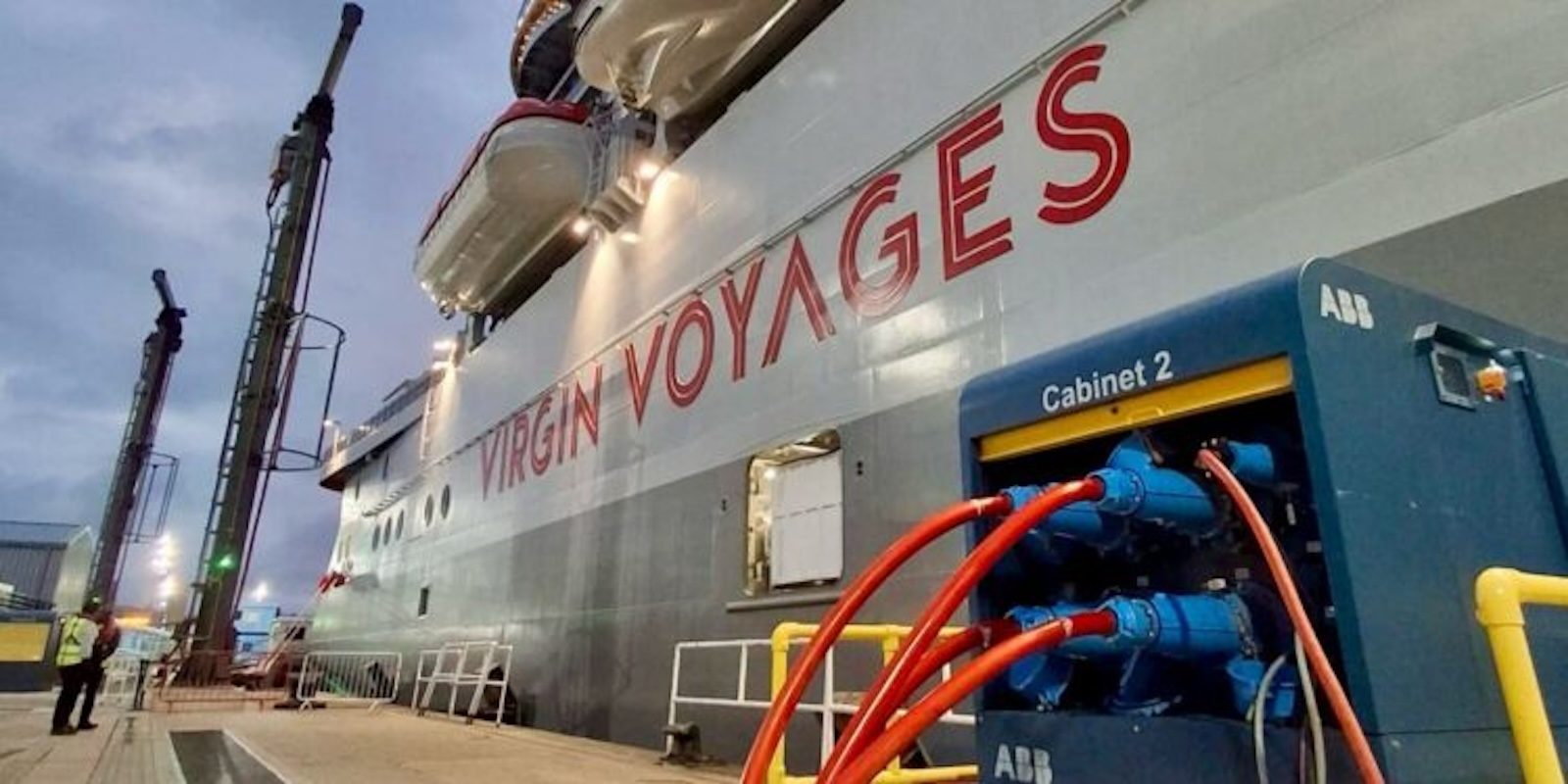
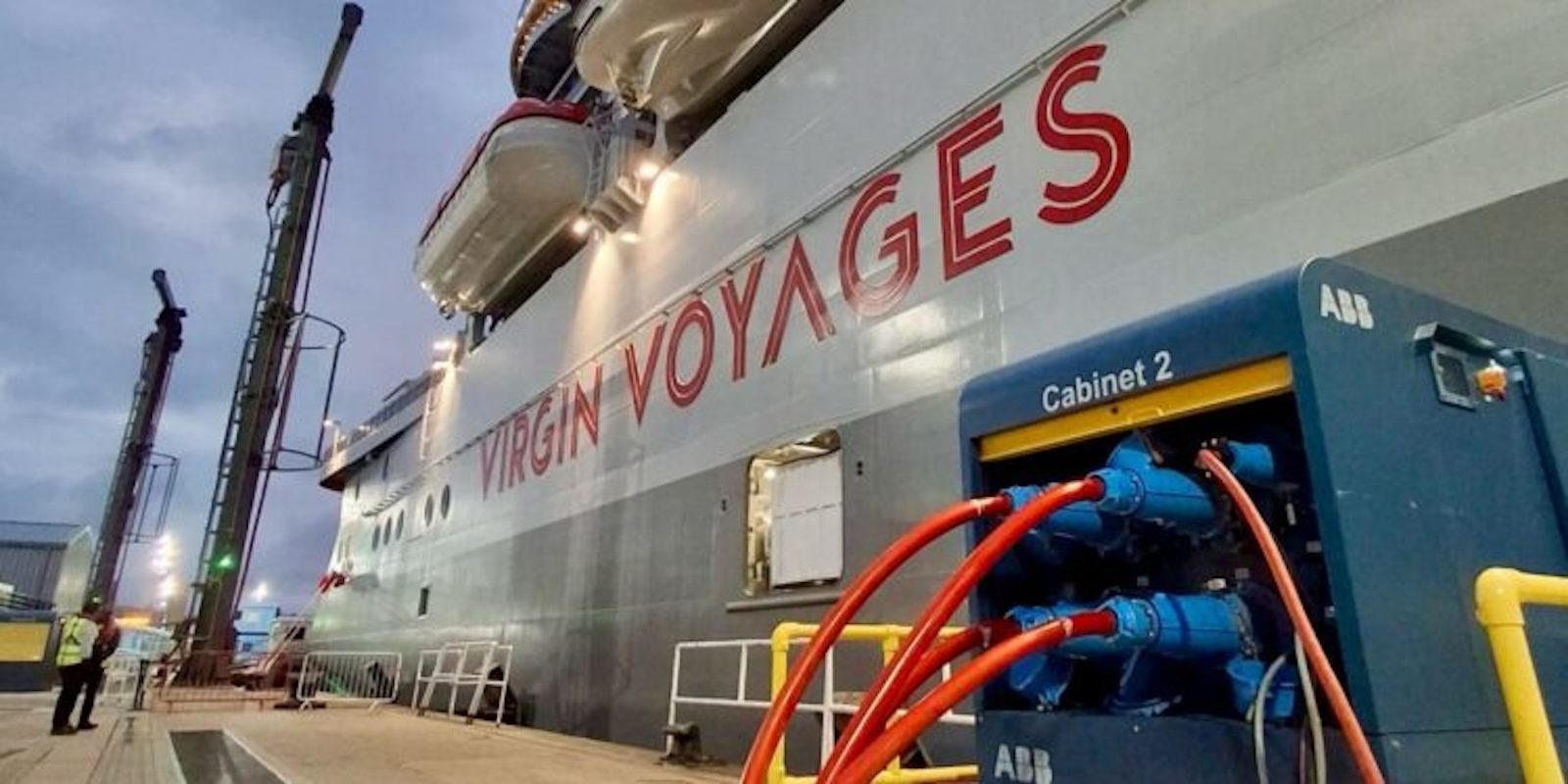
Portsmouth International Port has taken a huge step towards reducing the air pollution caused by idling marine engines with the launch of the UK’s first high-voltage, multi-berth shore power system that allows docked ships to connect to grid power and shut off their on-board generators. In theory, shore power reduces emissions and slashes fuel costs.
The reality is somewhat different.
Like the Port of Long Beach, the Port of New York and New Jersey, and JFK’s Terminal One project, Portsmouth International Port’s ambition is to become a true net-zero facility that improves local air quality while, at the same time, helping to enable a broader decarbonization of maritime shipping as-a-whole. Shore power is central to that goal, allowing vessels to switch off their onboard internal combustion engine-backed generators by plugging in to the grid.
The only problem is that, despite the rapidly rising price of fuel and oil, the UK has managed to build a shore power solution that’s more expensive than running the generators.
How do you f@#% that up!?
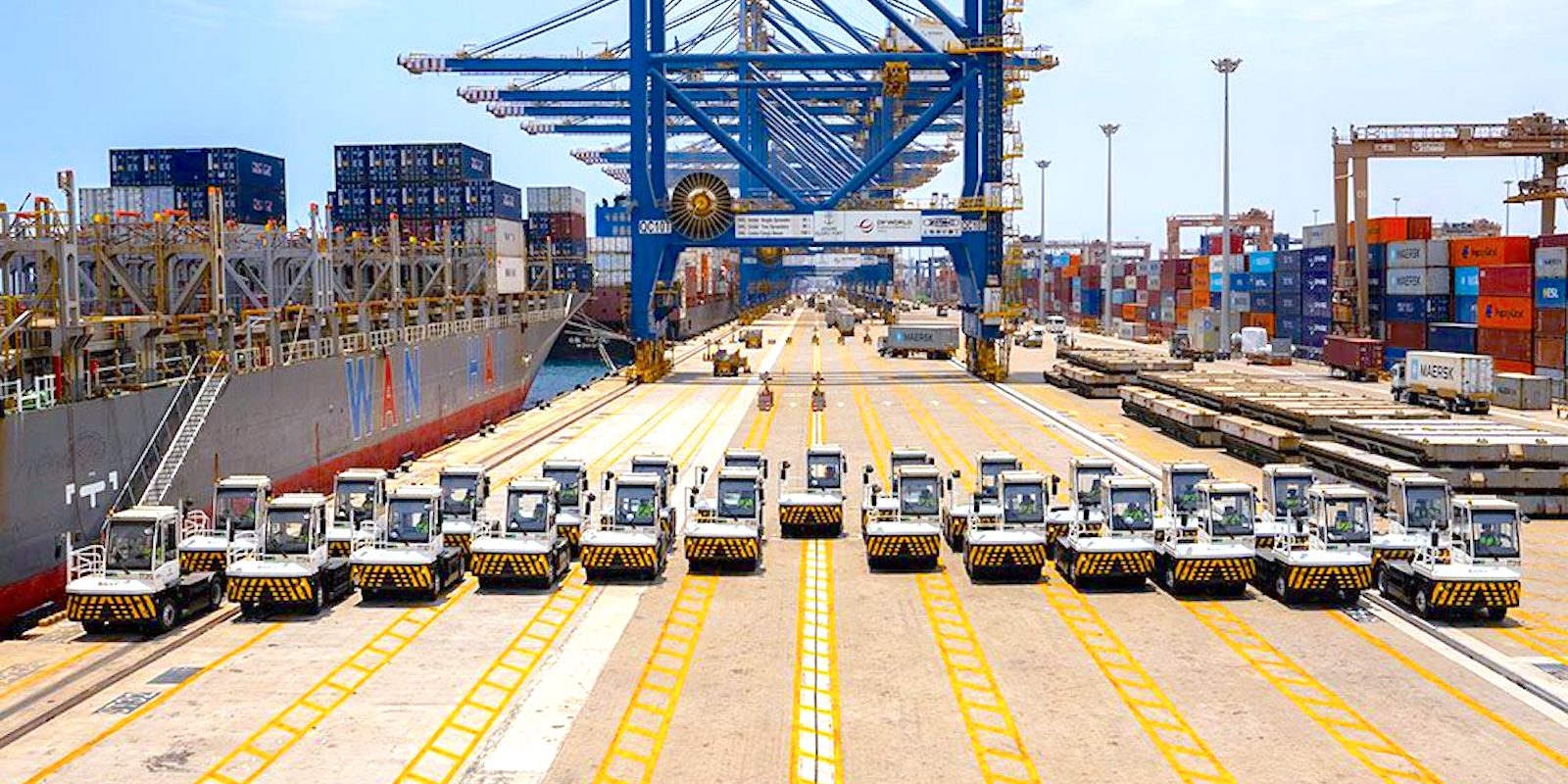
Just about every article, case study, and white paper out there has shown a dramatic improvement in total cost of ownership (TCO) for electric port equipment like cranes, material handlers, terminal trucks, and even locomotives compared to their diesel-powered equivalents – and hybrid-electric ships are proving to be cheaper as well, in some use cases. How, then, did this project go so wrong?
The answer isn’t that Portsmouth messed up. It’s a matter of policy.
Yet the economics remain challenging. Electricity currently accounts for around 80–85% of the total cost paid by a vessel using shore power, with port charges making up only 15–20%. With electricity prices remaining high, connecting to shore power can therefore be more expensive than generating electricity onboard.
The pressure is compounded by rising grid-related costs. Portsmouth is facing an estimated 10% year-on-year increase in Transmission Network Use of System (TNUoS) charges over the next five years, adding further costs to an already expensive system.
In other words: electricity in the UK is expensive. Like, really expensive.
The UK’s own House of Commons Library says electricity prices were 18% above the EU average in the second half of 2025, while the International Energy Agency found that electricity prices for energy-intensive industries across the EU averaged more than twice (!) those in the US.
That matters because shore power typically just promises access to electricity, but access in and of itself doesn’t automagically make the grid’s kilowatts and cheaper than the fuel oil’s. And, in the UK, that means the economics of electrification that you see almost anywhere else have beem turned completely upside down.
‘Murica

Here in the US, the situation is better. The electricity price gap between the US and the UK is just one of the reasons that the economics of EVs look very different on this side of the Pond – and America’s rapidly expanding supply of wind and solar power that’s so cheap it’s actually a problem make the case for electrification even better as a tool to reduce pollution and drive down prices in the near and long terms.
All of which is to say that November is coming, kids. Vote like your life, and your grocery bill depends on the outcome.
YOU MIGHT ALSO LIKE:

If you’re considering going solar, it’s always a good idea to get quotes from a few installers. To make sure you find a trusted, reliable solar installer near you that offers competitive pricing, check out EnergySage, a free service that makes it easy for you to go solar. It has hundreds of pre-vetted solar installers competing for your business, ensuring you get high-quality solutions and save 20-30% compared to going it alone. Plus, it’s free to use, and you won’t get sales calls until you select an installer and share your phone number with them.
Your personalized solar quotes are easy to compare online and you’ll get access to unbiased Energy Advisors to help you every step of the way. Get started here.


FTC: We use income earning auto affiliate links. More.
