



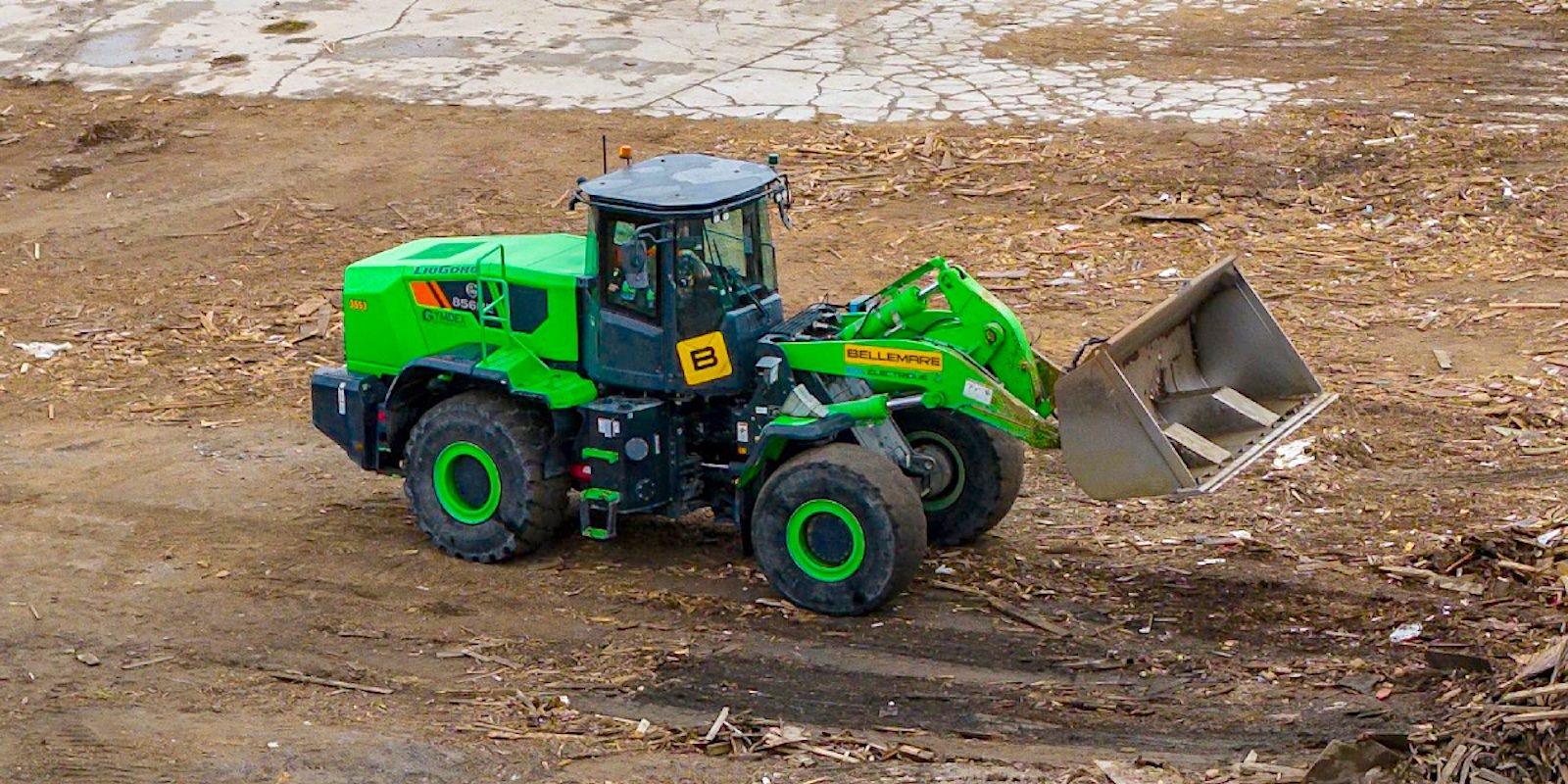
For a lot of fleet managers, whether or not electrified equipment assets will lead to real world savings that are worth the higher up-front costs might feel theoretical, but early adopters Groupe Bellemare have been operating battery-powered heavy equipment for years – and their real-world results are real impressive.
In 2024, the abrasives and minerals division of Canadian Groupe Bellemare partnered with the Institut du véhicule innovant (IVI) on a three-year program called Plug-In Fleet Heavy Equipment to test and document the equipment’s performance on a functioning job site.
In that time, Bellemare says it’s spent less than $54,000 for roughly 15,000 hours of operating costs on sustainably-produced Hydro-Québec electrons, adding that the diesel machines it replaced would have burned an estimated $423,000 of diesel over the same period, giving the company more than an 87% (!) drop in fuel costs.
Let’s keep making fun of WSJ
Real-world findings from Groupe Bellemare and organizations like Transport Canada proving out six-figure savings seem to laugh in the face of comments made by the News Corp/Fox-owned Wall Street Journal, which is really trying so hard to sell the idea that electric machines, “Struggle to Compete, Even With Diesel at $8 a Gallon,” that they’ve published several, nearly identical articles under different bylines.
What makes WSJ’s recent claims even more laughable are the fact that Transport Canada’s $160,000-ish savings (per truck, it should be noted) were calculated using a $560,000 (CAD) Freightliner eCascadia. At “just” $290,000 (US; about $413,500 Canadian), the recently launched production version of the Tesla Semi promises more range, faster charging, and less downtime than the Freightliner, which is just going to drive the savings even higher as this – I believe Jamie used the word, “dumb” quagmire in Iran keeps on quagging.
You can check out the cost comparison between an electric eCascadia vs. a comparable diesel version, below, with data taken from 200,000 km (~120,000 mile) pilot programs operated by Martin Brower (McDonald’s) and Canadian grocery chain Loblaw from 2024-25.
Follow the money
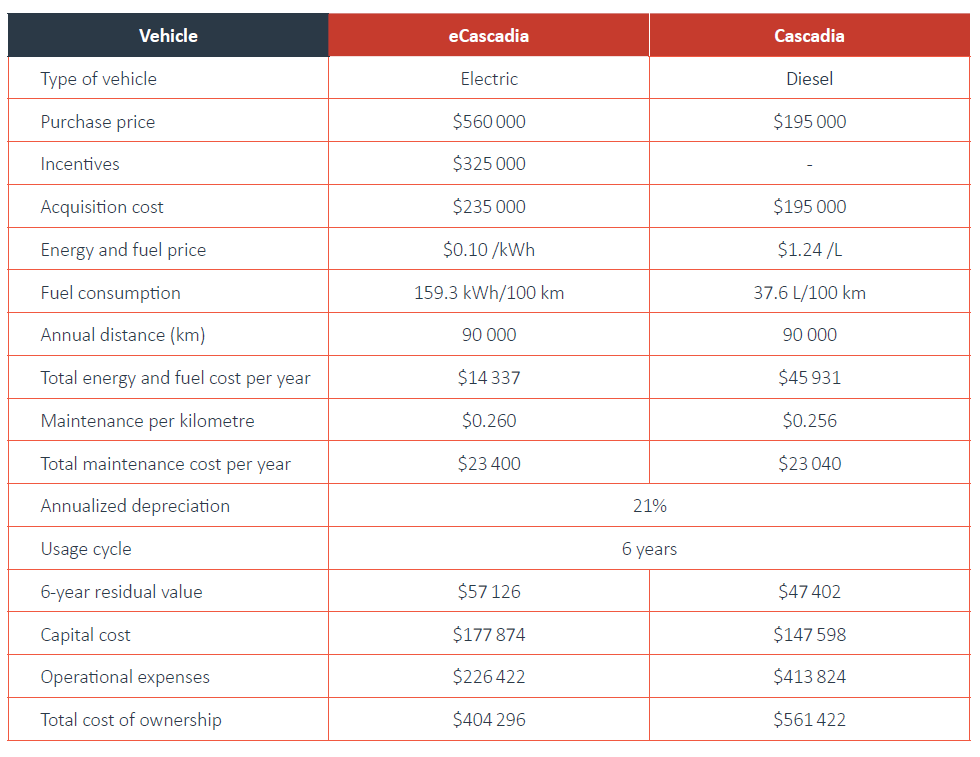
If every other variable stays the same, the less-expensive Tesla gives electrics an advantage that’s fully $146,000 greater than the $160,000-ish advantage the eCascadia had. If you’re doing the math at home, that’s more than $300,000 in savings. Per truck. Per year.
Back on the job site, we’re seeing very much the same thing. “Operating costs are almost nil,” says Bellemare operations manager, Jason Lagacé. “It’s been really eye-opening.”
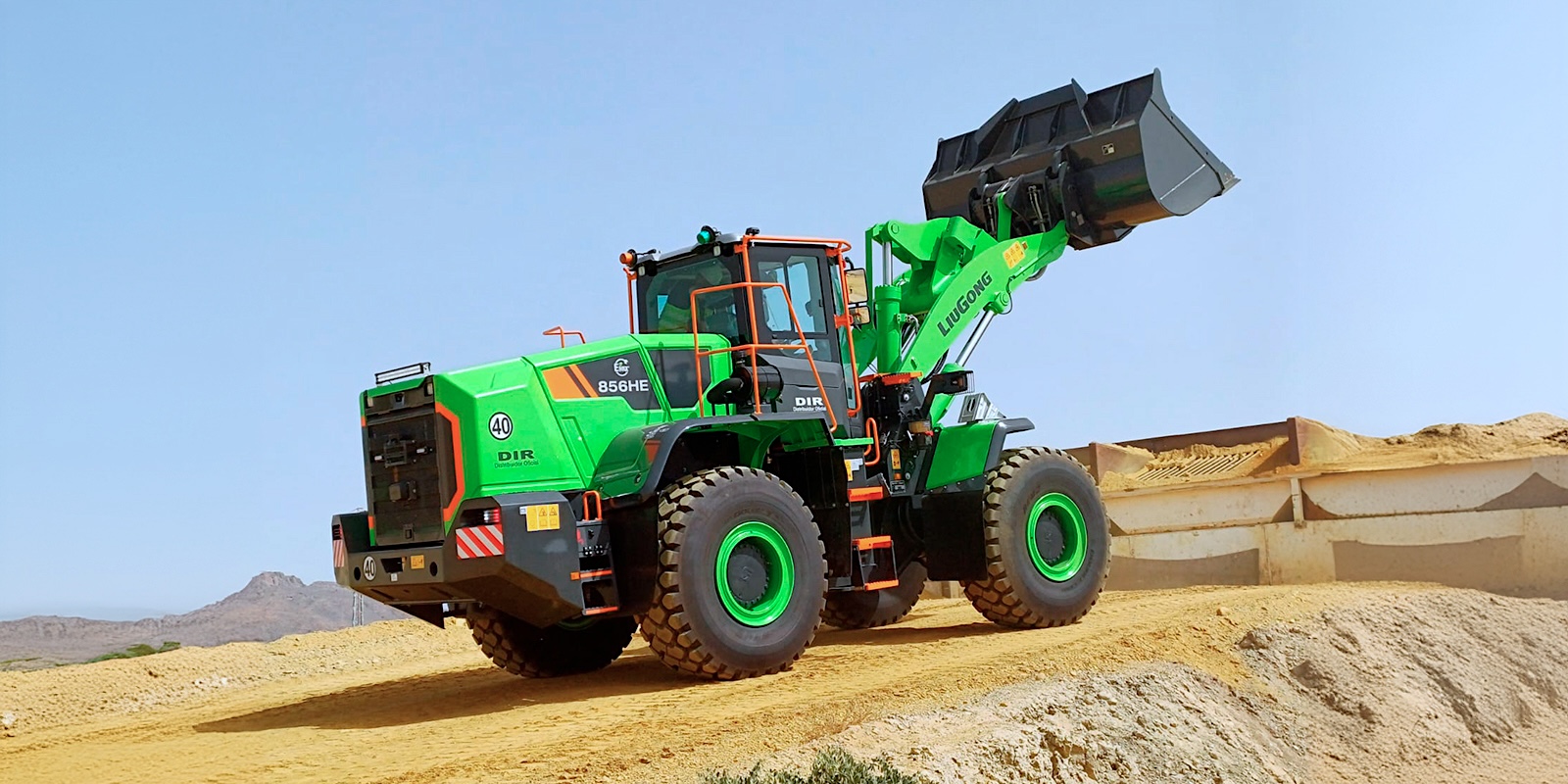
Bellemare is currently operating heavy wheel loaders and excavators from Chinese equipment brand LiuGong, and plans to continue to electrify the heavy equipment fleet with even more electric machines in its abrasives and minerals division beyond participation in the pilot program, which runs through 2028.
YOU MIGHT ALSO LIKE:

If you’re considering going solar, it’s always a good idea to get quotes from a few installers. To make sure you find a trusted, reliable solar installer near you that offers competitive pricing, check out EnergySage, a free service that makes it easy for you to go solar. It has hundreds of pre-vetted solar installers competing for your business, ensuring you get high-quality solutions and save 20-30% compared to going it alone. Plus, it’s free to use, and you won’t get sales calls until you select an installer and share your phone number with them.
Your personalized solar quotes are easy to compare online and you’ll get access to unbiased Energy Advisors to help you every step of the way. Get started here.


FTC: We use income earning auto affiliate links. More.
