


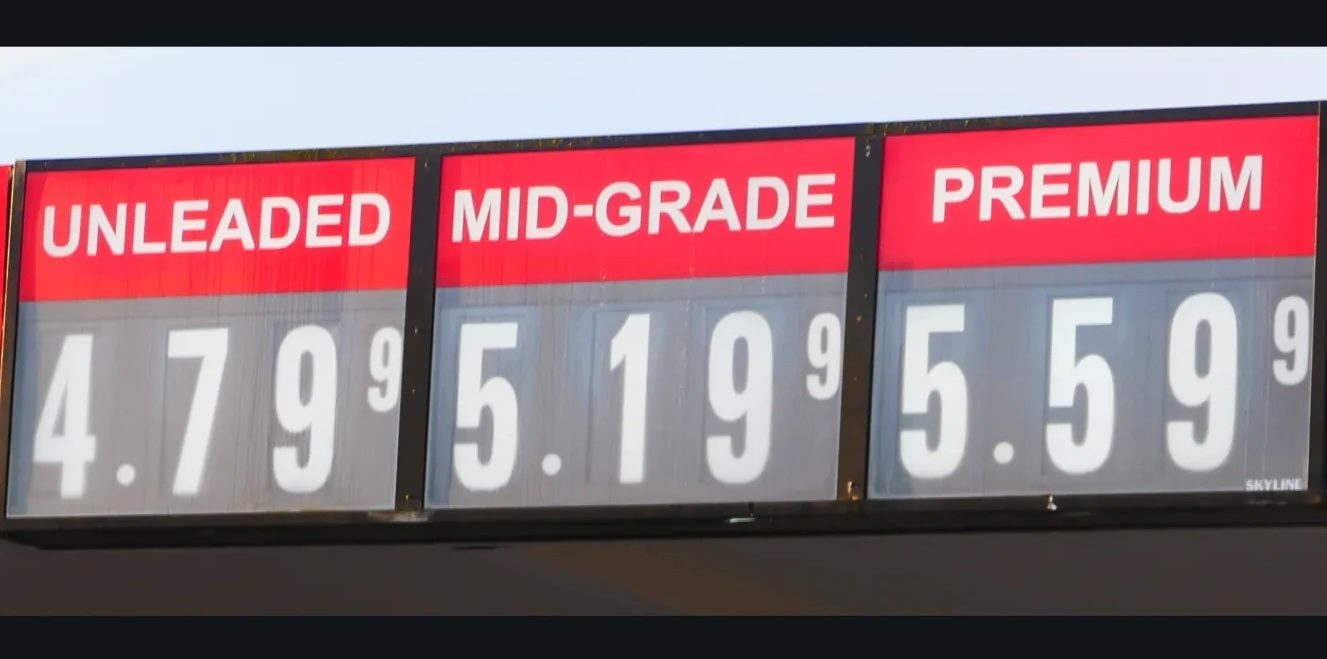
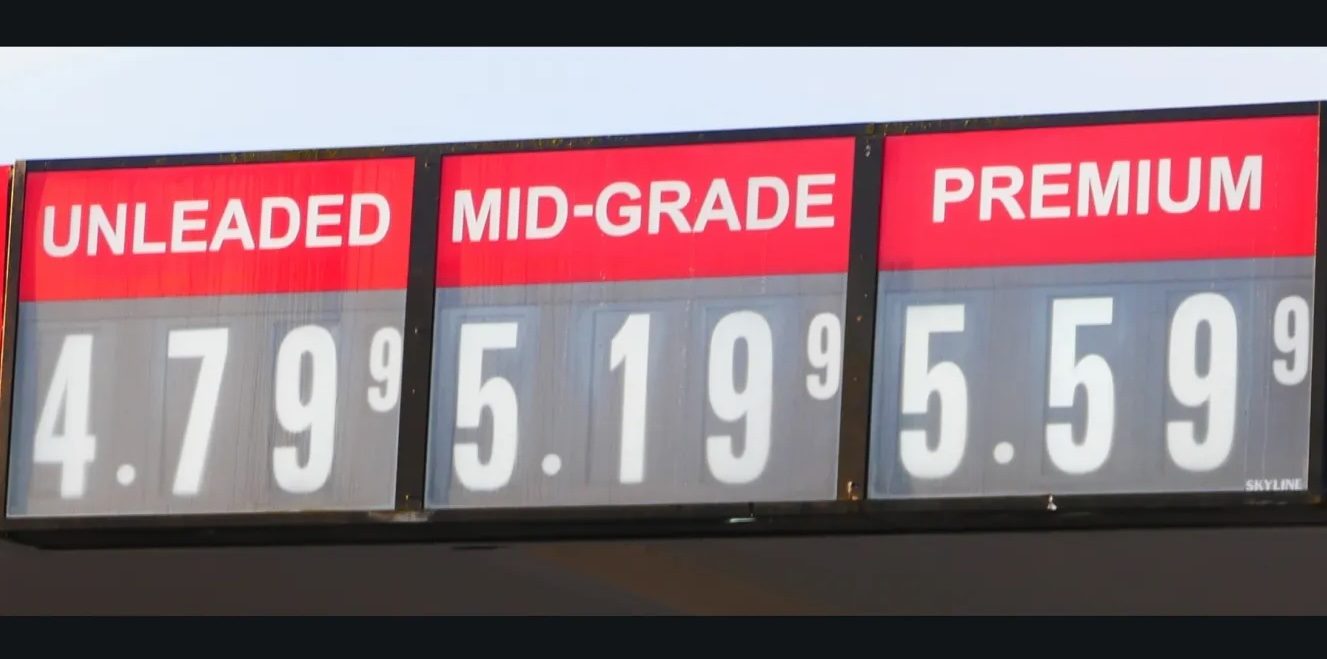
A coalition of environmental groups has filed a lawsuit against the Department of Transportation’s moves to lower fuel economy standards, which the Department of Energy says will increase gas prices by 76 cents a gallon.
Since the 1970s, the US government has had various rules that guide auto manufacturers to make and sell more efficient vehicles.
The main standards, Corporate Average Fuel Economy (CAFE), were first implemented after the Arab oil embargo of the 1970s, and the ensuing energy crisis. The standards require manufacturers to maintain an average level of fuel efficiency across their fleet, or else they have to pay a fine for every noncompliant car they sell.
Prior to these standards, American cars were large and gas guzzling, with very little interest in efficiency. CAFE standards and other government regulations related to efficiency and clean air, both on the state and federal level, have made cars cleaner and more efficient as time has gone on.
The result of cleaner and more efficient vehicles is that it costs less to fuel them, costs less to breathe the dirty air they cause, and makes the environment that you depend on for everything good in your life more livable.
Overall, the policy has saved $5 trillion and stopped the import of 2 trillion gallons of gasoline, according to a study released in 2020. And that doesn’t even account for the environmental and health savings.
Republicans killed air quality/affordability benefits this week
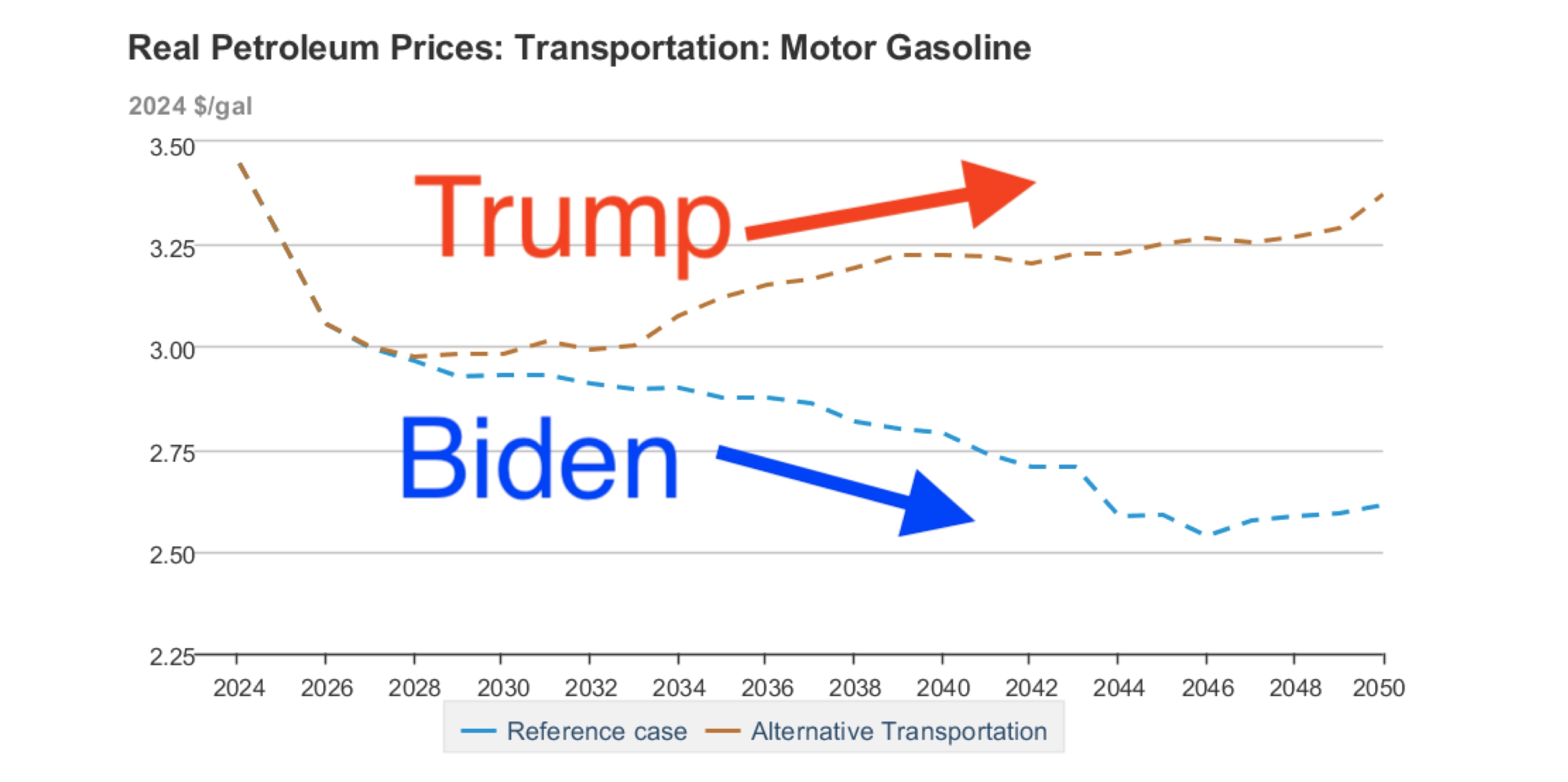
But those benefits are no longer, as republicans continued their all-out assault against air quality, consumer prices and global stability this Monday, adjusting fuel economy targets such that cars will use 45% more fuel by 2031. The move would also raise gas prices by 76 cents a gallon, according to the Department of Energy’s own numbers.
Naturally, this is not a particularly popular move when the world is seeing record high energy prices, largely due to conflicts started by US republicans with the goal of raising energy prices and oil company profits.
The move was opposed by the vast majority of the 68,294 public comments made during its proposal, but the administration went through with it anyway, in order to benefit its fossil fuel masters.
Environmental groups sue to stop this raising of gas prices
So, today, Environmental groups swiftly filed a lawsuit against the move, hoping to stop its implementation.
The lawsuit was filed in federal appellate court by the Center for Biological Diversity, Conservation Law Foundation, Environmental Defense Fund, Public Citizen and Sierra Club.
It’s short so far, simply a petition for review, and doesn’t specify what legal arguments will be made. But Sierra Club did point out many deficiencies with the proposed rule which were not corrected in the final rule, so there are certainly avenues of attack available.
So far, we’ve seen many other lawsuits succeed against republican attacks on the environment, so there’s certainly a chance here. Most of these lawsuits rely on the “arbitrary and capricious” nature of these regulatory moves, which violate the Administrative Procedures Act, the law that governs how regulations are made.
It remains to be seen whether this petition will succeed. While Trump has seen a significant amount of failure in court (the Natural Resources Defense Council, which is not party to today’s lawsuit but does often sue to stop bad environmental moves, has seen a 90% success rate against Trump in court), fuel efficiency regulations don’t often get canceled, especially since they are limited to a few model years worth of cars (though DoT might have overstepped its authority in that respect with this rule by attempting to cover more than 5 model years). In addition, given the massive public opposition to this move which was ignored by the DoT, there’s a chance.
But will rescinding CAFE really have that much of an effect?
Then there’s the question of whether this will affect real average fuel economy numbers due to consumer demand.
Right now, efficient car sales are booming globally as everyone recognizes the danger of using a resource that can be doubled in price by a senile dictator. So demand is driving fuel economy numbers up, even as governments stupidly roll back EV targets.
So, some think that this change in CAFE rules won’t lead to lower fuel economy in the US… but that’s not really what the CAFE rules are about.
CAFE is meant to ensure that manufacturers build efficient cars in the first place, and rolling them back means those manufacturers feel like they can sit on their hands and do the minimum possible. And the US auto industry has already shown its intent to do so by praising this move, even though its intransigence only ensures its own downfall against Chinese rivals that aren’t slowing down.
This effect can already be seen in US EV sales. As EV sales grow in the rest of the world, they’re not growing nearly as much in the US. And that’s not due to a lack of consumer demand, it’s mostly because auto manufacturers simply refuse to sell EVs to Americans, as a recent UC Davis study showed.
So while it’s comforting to think that the ineptitude of this administration will mean their harmful moves don’t actually end up having a negative effect, the auto manufacturers are already planning to offer fewer EVs and more inefficient vehicles. Consumer demand might not be enough to turn this one around if there simply aren’t cars to buy – and given the US’ dumb auto tariffs, going to a foreign source isn’t an option at the moment.
Charge your electric vehicle at home using rooftop solar panels. Find a reliable and competitively priced solar installer near you on EnergySage, for free. They have pre-vetted installers competing for your business, ensuring high-quality solutions and 20-30% savings. It’s free, with no sales calls until you choose an installer. Compare personalized solar quotes online and receive guidance from unbiased Energy Advisers. Get started here. – ad*


FTC: We use income earning auto affiliate links. More.
