


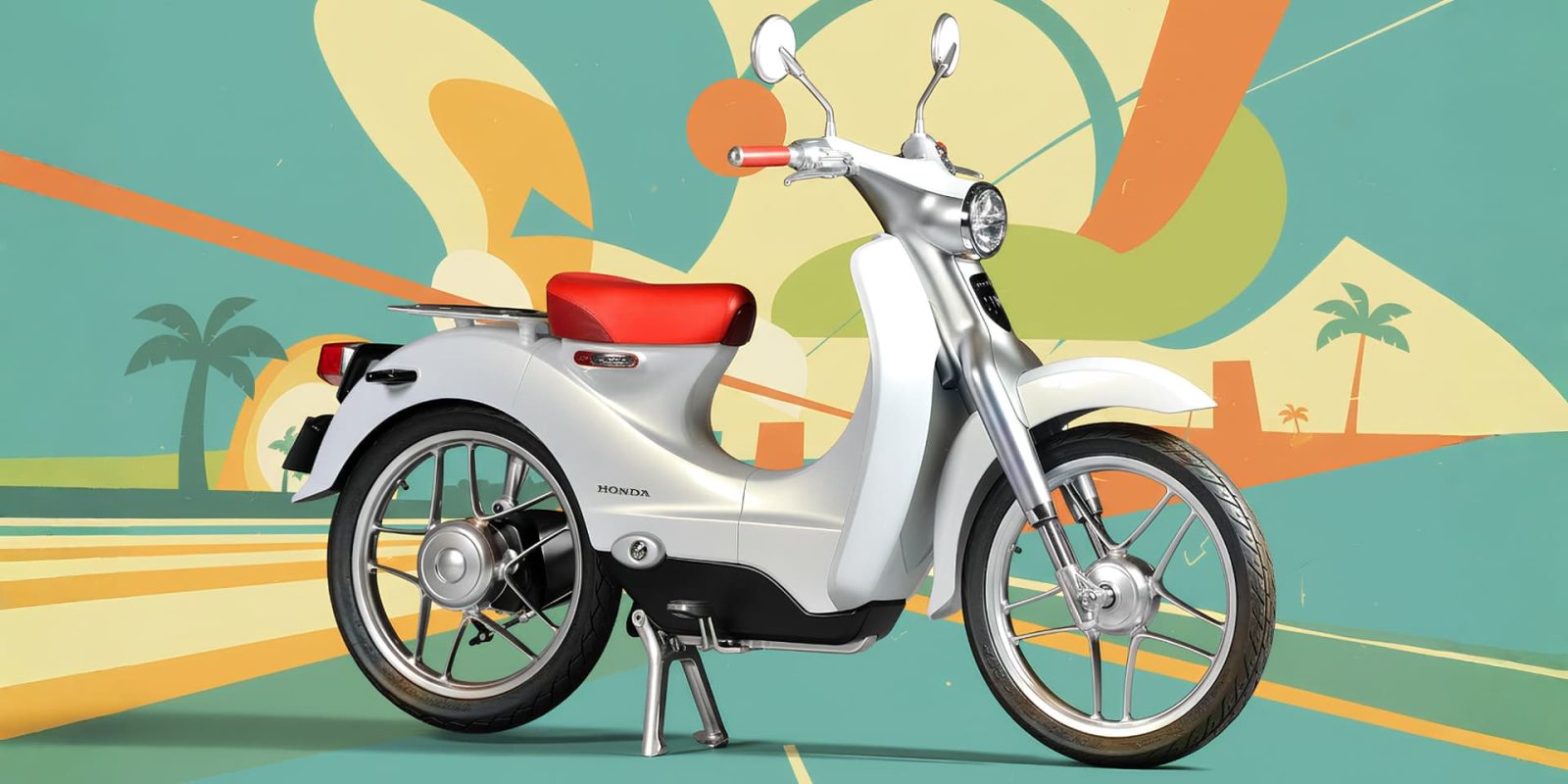
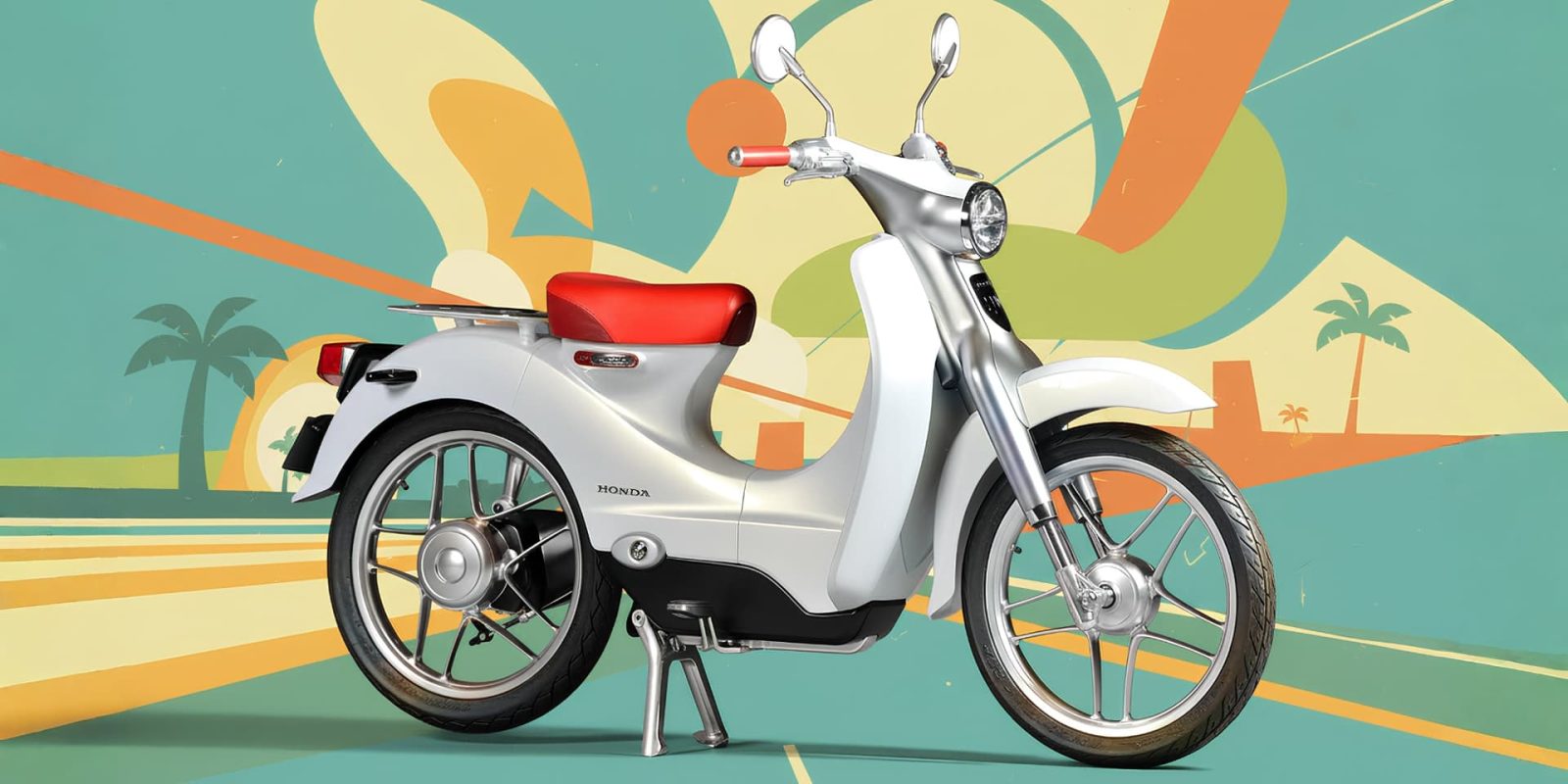
Honda has spent decades building one of the most dominant positions in the global motorcycle industry, selling millions of gasoline-powered two-wheelers each year. But in markets where electric motorcycles and scooters are becoming increasingly accessible, that dominance is starting to face a serious challenge.
Vietnam offers a particularly interesting case study, where rapidly growing electric motorcycle sales are beginning to reshape a market long dominated by Honda.
According to newly released nationwide sales figures, Vietnam saw more than 3 million motorcycle and scooter sales during the first nine months of 2026, representing 25.9% growth over the same period last year.
But the real story is in the electric segment, where sales surged 90.5% to reach 973,247 units. That means electric two-wheelers now account for approximately 32% of all new motorcycle and scooter sales in the country.
And the biggest beneficiary isn’t Honda. It’s actually Vietnamese electric vehicle manufacturer VinFast.
While Honda remains Vietnam’s largest motorcycle manufacturer overall, with sales growing 8.4% this year, VinFast has surged into second place with a staggering 152.1% increase in sales. Yamaha now sits in third place, followed by electric two-wheeler manufacturer Yadea in fourth.
Of the top four players, half are electric, and it’s precisely that half that is experiencing meteoric sales growth.

It’s an impressive reshuffling of a market that has traditionally been dominated by Japanese gasoline motorcycle manufacturers.
Vietnam’s transition hasn’t happened in a vacuum, either. Government efforts to reduce urban air pollution, including plans to restrict gasoline-powered motorcycles in parts of Hanoi, have helped create an increasingly favorable environment for electric alternatives.
And with companies like VinFast offering an expanding range of electric scooters and motorcycles, riders now have more practical alternatives to gasoline-powered models than ever before.
To be clear, Honda isn’t exactly struggling. Its motorcycle sales are still growing, and the Japanese giant remains the undisputed market leader in Vietnam. But its overall share of the market is shrinking, and its relatively modest growth compared to the exploding electric segment suggests that the market’s center of gravity is beginning to shift.
Vietnam may be just a single example, but it’s an important one of what can happen when electric two-wheelers become viable mainstream alternatives to gasoline motorcycles.
Honda has spent decades perfecting the gasoline motorcycle. The question now is how quickly it can adapt to a market that is increasingly interested in something else.



FTC: We use income earning auto affiliate links. More.
