


A Toyota battery plant in North Carolina will make cells starting in 2025, bound for American-built hybrid and electric vehicles, the company confirmed on Monday.
Called the Greensboro-Randolph Megasite, the $1.29 billion plant in Randolph County, North Carolina, will provide 1,750 jobs and builds on a commitment to U.S.-built batteries that Toyota made in October. The battery plant will produce enough cells for up to 1.2 million “electrified vehicles” per year, according to Toyota. By developing and localizing battery production, the plant will “pave the way for battery electric vehicles built here in the United States of America,” according to Toyota Motor North America executive Christopher Reynolds.
To clarify that point, Toyota confirmed to DriftBreath Reports that the initial output of the plant is bound for U.S.-built hybrid vehicles, with a potential shift toward EVs later in the decade—including American-made ones. Toyota hasn’t said exactly what chemistry or format will be ramped up first at the plant.
2021 Toyota RAV4 Prime SE
Globally, the company’s hybrids and plug-in hybrids accounted for more than 20% of new car sales for Toyota and Lexus in 2020. Cumulatively over time, the brands have sold 19.1 million “alternative powertrain vehicles” globally, including 4.8 million in North America.
The North Carolina facility marks a first for Toyota in that it’s completely controlled by the company versus part of a joint venture with a battery company. Technically, Toyota and Toyota Tsusho will have 90% and 10% stakes, respectively, in the new entity called Toyota Battery Manufacturing North Carolina. It’s partially funded by a $3.4 billion investment that Toyota announced in October that will be designated for electrified vehicles and the surrounding supply chain. The plant’s investment is a small portion of the $13.5 billion that Toyota plans to spend globally to usher in a new era of electrification.
Toyota said that it chose North Carolina for the plant because it has a strong rail and highway system, four international airports and two seaports, a diverse workforce, and a “world-renowned” education system. It also noted that it’s also partnering on solar and wind power for the plant. Reynolds, Toyota’s chief administrative officer for corporate resources, said the brand will be “leaving no stone unturned to have a positive impact on the environment and the society.”
“This is only the first chapter of our story in North Carolina—and it’s a very long book,” Reynolds said, perhaps hinting that the company might also be homing in on the area for EV production later in the decade.
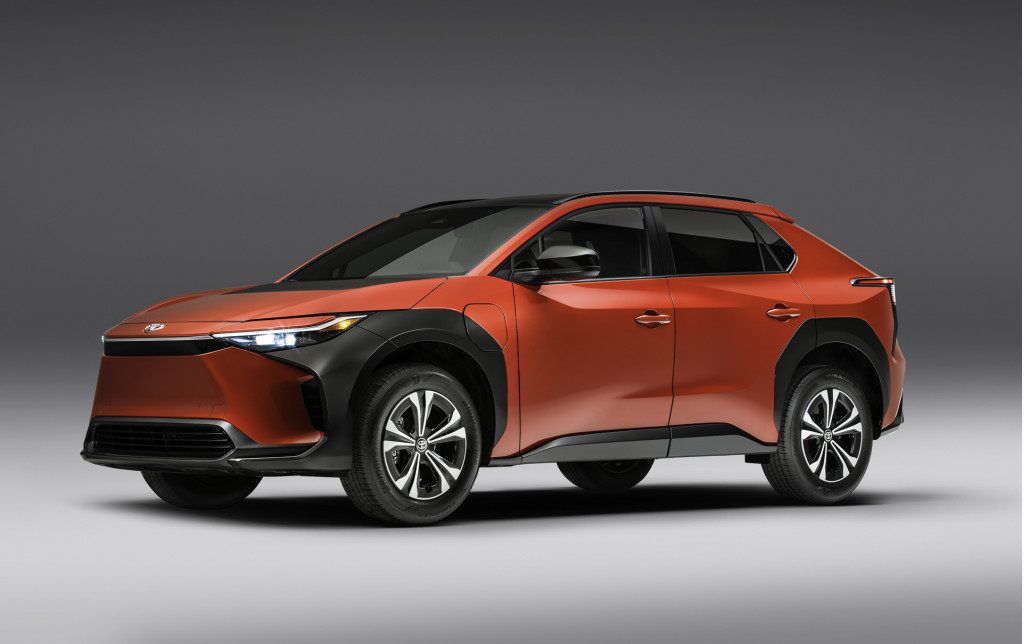
2023 Toyota BZ4X
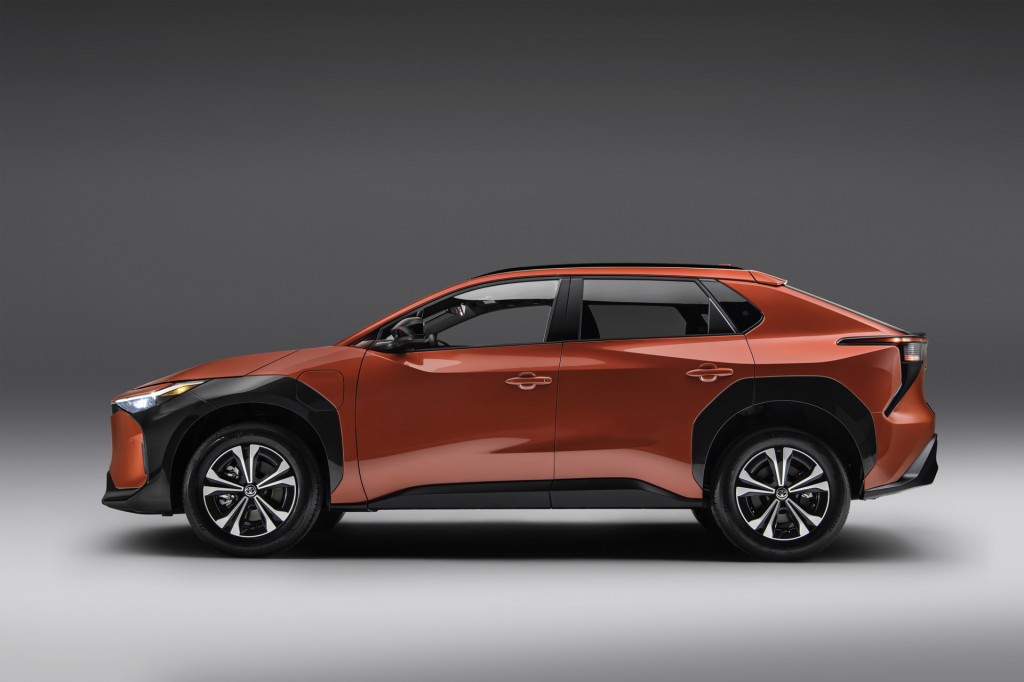
2023 Toyota BZ4X
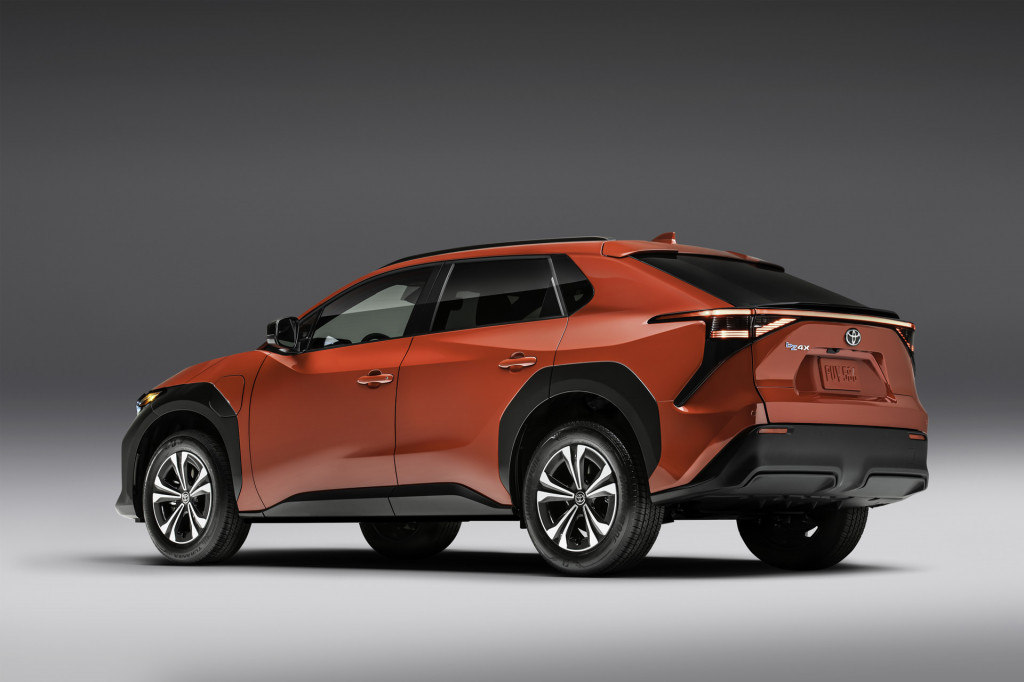
2023 Toyota BZ4X
Toyota revealed its first U.S.-market electric car intended for mass-production, the bZ4X, last month. And in August, it confirmed plans to make hydrogen fuel-cell modules in Kentucky, starting in 2023.
The company recently told DriftBreath Reports that the focus of its EV strategy will be affordability, not maximum range. It said in May that it plans for battery electric and fuel-cell vehicles, combined, to make up 15% of U.S. sales by 2030, while hybrids and Prime plug-in hybrids will make up about 55%. That leaves about 30% without any form of electrification. The automaker sold about 2.11 million vehicles in the U.S. in 2020.
