



After delaying development of the long-awaited electric Golf, Volkswagen is delaying another EV based on its SSP platform.
Volkswagen EV delays persist
As it scrambles to cut costs, Volkswagen brand CEO Thomas Schäfer revealed in an internal memo at the end of October that development of the all-electric Golf is being delayed at its Wolfsburg plant in Germany.
The news comes after the VW Group posted an operating loss of €5.9 billion ($6.5 billion) in the third quarter, its largest quarterly loss since the infamous Dieselgate scandal in 2015.
“We simply can’t afford this work right now,” Schäfer said in the memo reviewed by Reuters. The Wolfsburg plant, AKA the “heart of the VW brand,” is about €300 million ($334.5 million) short of its cost-cutting targets, the memo said.
Volkswagen initially planned to launch the Golf EV in 2028, but Schäfer announced earlier this year that the long-awaited electric car was delayed until closer to 2030.
Schäfer suggested the delay was because the SSP (Scalable Systems Platform), which is being developed through its partnership with Rivian, was taking longer than expected, again due to costs.

Now, it’s the Audi A4 E-Tron
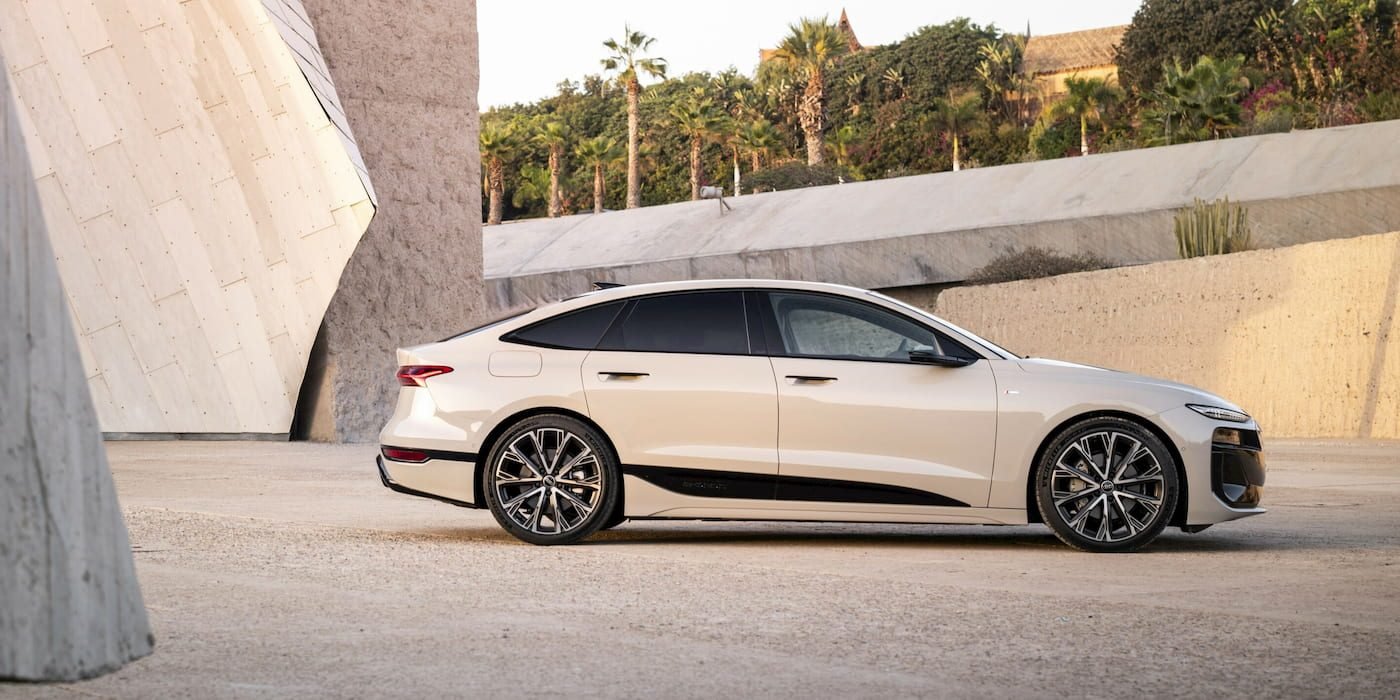
According to Autocar, Volkswagen is now delaying the Audi A4 E-tron as well, another vehicle that was initially planned to be among the first based on the SSP platform.
Production of the electric A4 is being pushed back until at least 2029, a year later than originally planned. While the delay is disappointing for Audi fans (including myself) still waiting for an electric A4, it also puts Audi behind rival luxury brands in the mid-size sedan segment.

BMW has the new i3, and Mercedes-Benz has the C-Class EV, both of which feature major improvements in range, charging, and efficiency over their previous-generation EVs.
Volkswagen said in 2023 that the 800V SSP will serve as a “single future backbone with integrated electric and electronics architecture,” claiming that more than 40 million models were expected to be built on it.
The company also said investment and R&D costs were expected to be reduced by about 30% compared to the current MEB platform, enabling most models “to achieve the same margin compared to their conventionally powered counterparts.”

Volkswagen’s software struggles started in its internal division, Cariad, leading to delays, missed targets, and budget overruns.
To fix it, VW turned to Rivian, forming a joint venture to develop its next-gen software-defined vehicle (SDV) electrical architecture.
In March, VW said several test vehicles, including the ID.EVERY1, Audi, and Scout with the SDV architecture underwent “comprehensive evaluation,” and successfully validated over-the-air (OTA) functionality.

However, the Audi A4 E-tron delay is not entirely about software. The Autocar report claims Audi demanded significant changes to the SSP platform for the A4 E-tron so it more closely matched the current gas version.
Audi reportedly wanted individual footwells for front and rear passengers, which would require repositioning the battery.
The luxury brand also reportedly asked for a 48V electrical system instead of the traditional 12V setup initially planned.
While development of the Golf EV is on hold, VW’s works council said the pause will not delay its launch, promising to make up for lost time. It’s still expected to launch in 2030. The Audi A4 E-tron is now expected to arrive around 2029.


FTC: We use income earning auto affiliate links. More.
