



Getting your car ready for winter means preparing it for cold temperatures, snow, ice, slush, and rain. Winterize your car for the long season or prepare it for the next big freeze with these tips to help keep your vehicle running safely and reliably. Let’s start where the rubber meets the road so you can drive safely in snow.
10 Steps to Winterize Your Car
Quick Look
10 Steps to Winterize Your Car

Short on time? Do these 10 things before the first freeze.
-
1. Tires
Put a penny in the tread, head down. See Lincoln’s whole head? Get new tires.
-
2. Tire Pressure
Cold temperatures reduce tire pressure. Inflate to the PSI on the driver’s door-jamb sticker.
-
3. Battery
Battery at least 3 years old? Have it tested.
-
4. Oil
Check your oil level and change it if service is due.
-
5. Coolant
Check the coolant reservoir when the engine is cold. Top off with correct coolant if it’s low.
-
6. Belts & Hoses
Look for cracks, leaks, or bulges. Replace worn parts.
-
7. AWD / 4WD
Learn how your vehicle’s system works before you need it.
-
8. Brakes
Grinding, squealing, or pulling? Have your brakes inspected.
-
9. Wipers
Streaking or skipping? Replace the blades.
-
10. Fluids
Fill up with winter windshield washer fluid. Don’t dilute with water.
Safety Tip:An AWD or 4WD powertrain can help you get moving in snow, but it won’t help you stop. Good tires do that.
1. Inspect Your Tires
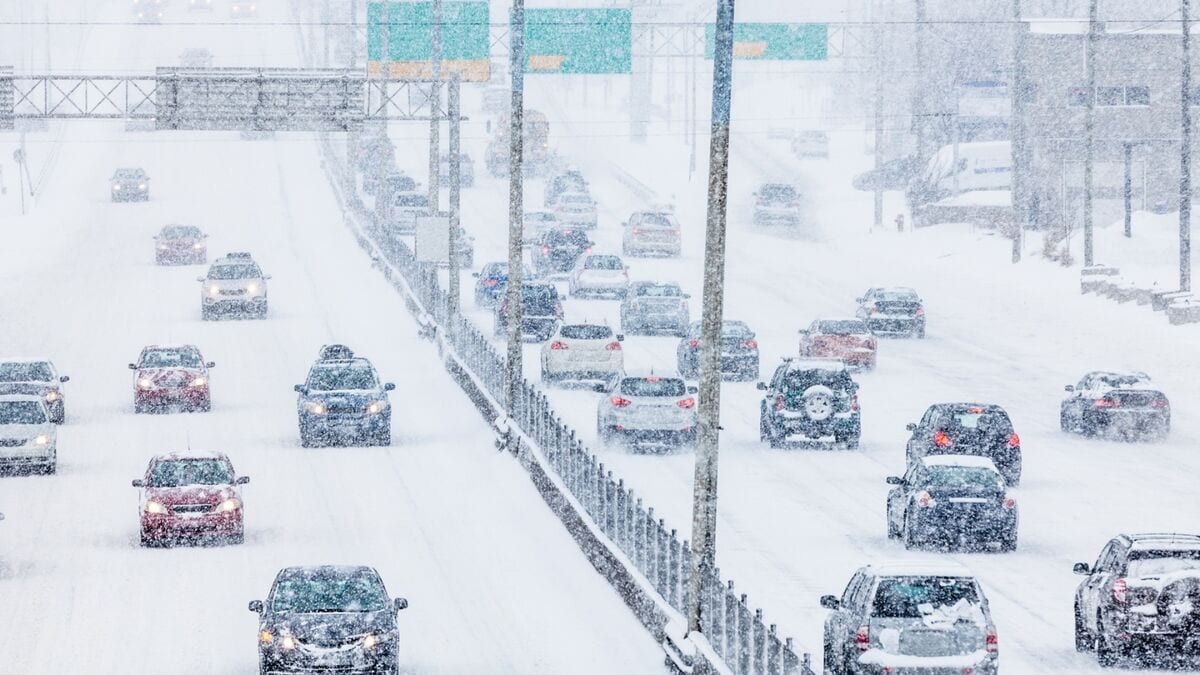
Your tires are the only part of your car that actually touch the road, so their condition matters most in winter. As cold weather approaches, check:
- Tread depth: Use the penny test. Insert a penny into the tread with Lincoln’s head upside down and facing you in several spots around the tire.
- If you can see all of Lincoln’s head, tread is below 2/32″ and the tire is unsafe — replace it.
- If part of his head is covered, your tread depth is still acceptable.
- For better snow performance, consider replacing tires closer to 4/32″ depth.
- Wet and snow traction: Worn tread means longer stopping distances and a greater risk of hydroplaning on snow, ice, and slush.
If your tread is low or uneven, plan on replacing your tires before the first big storm.
RELATED: Are Winter Tires Worth the Cost?
2. Fix Tire Pressure
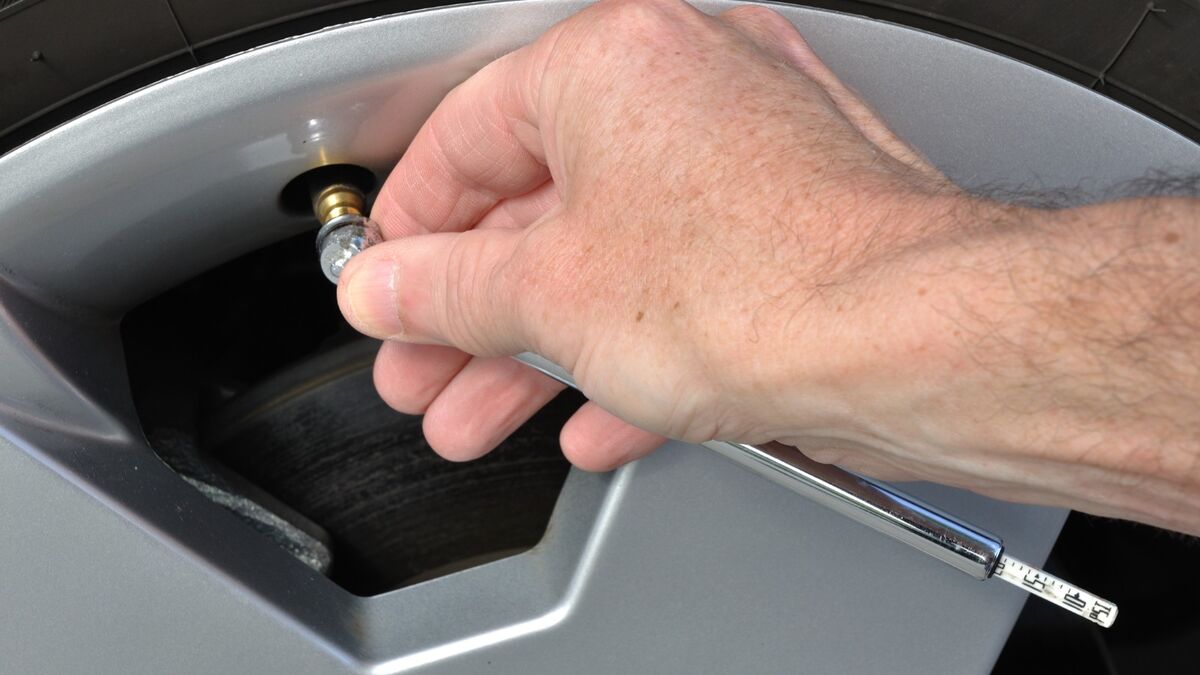
Underinflated tires can wear faster, run hotter, and compromise handling and traction on icy or wet roads.
- Check tires “cold.” Measure pressure when the car has been parked for at least three hours.
- Check pressure often in winter. Every 10°F drop in temperature can reduce tire pressure by 1 PSI.
- Use the recommended PSI. Find it on the driver’s door jamb, trunk lid, or in the owner’s manual (not on the tire sidewall).
RELATED: Best Cars and SUVs for Snow: Features You Need
3. Test the Battery
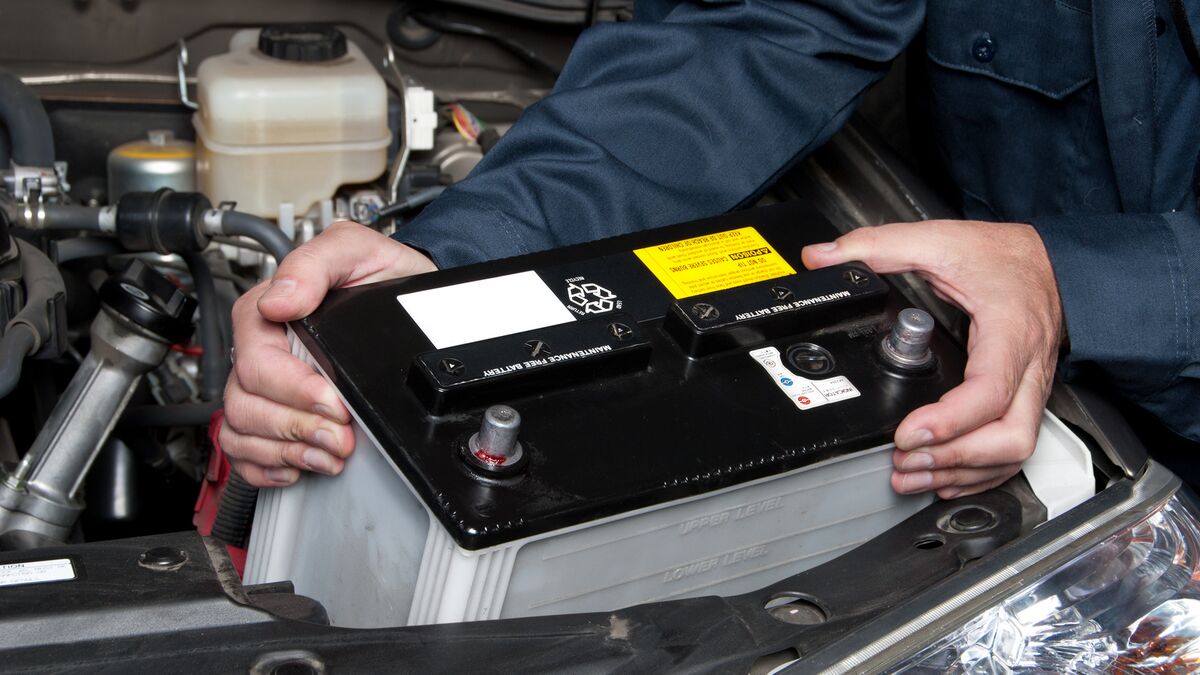
Cold weather makes engines harder to start and weak batteries more likely to fail. Most batteries last three to five years.
- Replace the battery if it’s weak so you’re not stranded on a freezing morning.
- If you needed a jump-start in summer, get the battery tested before winter.
- Ask for a load test at a shop or parts store to check real-world performance.
4. Change the Oil
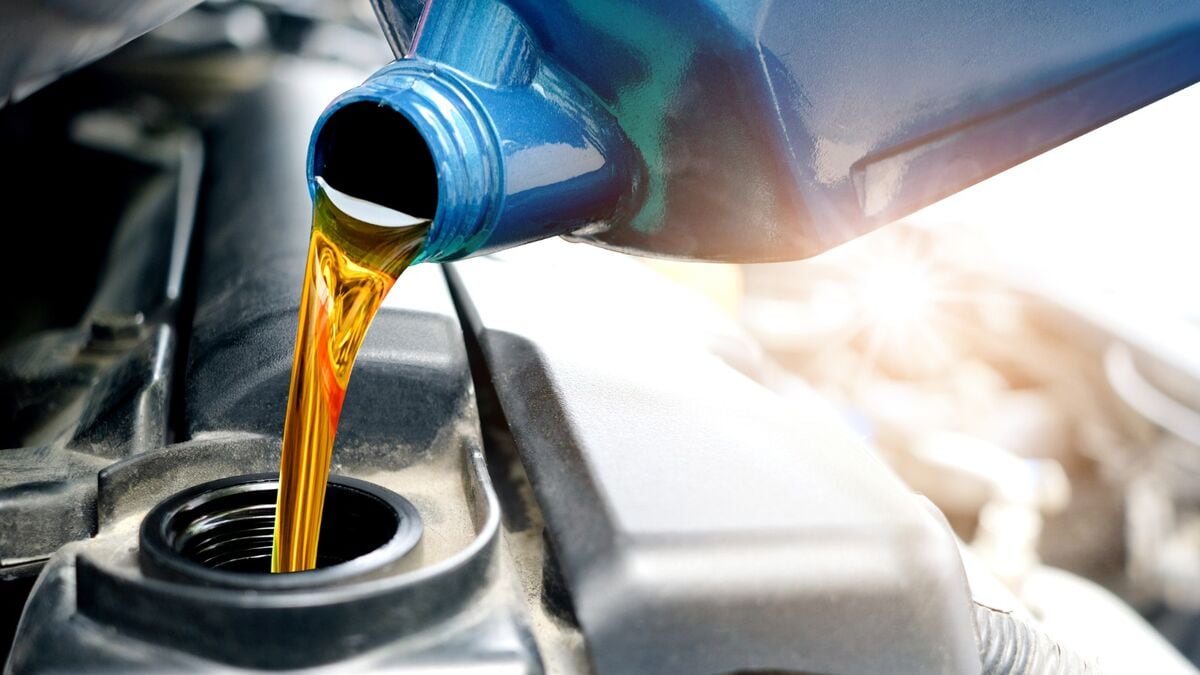
Cold weather thickens oil, making engines harder to start and putting additional strain on the battery and starter.
- Get an oil change. Check the oil level and follow your vehicle’s recommended oil-change schedule. If service is due, take care of it before winter weather arrives.
- Use the right oil weight. Your owner’s manual may recommend a thinner grade in cold weather.
RELATED: How Often Should I Change My Oil?
5. Add Proper Coolant
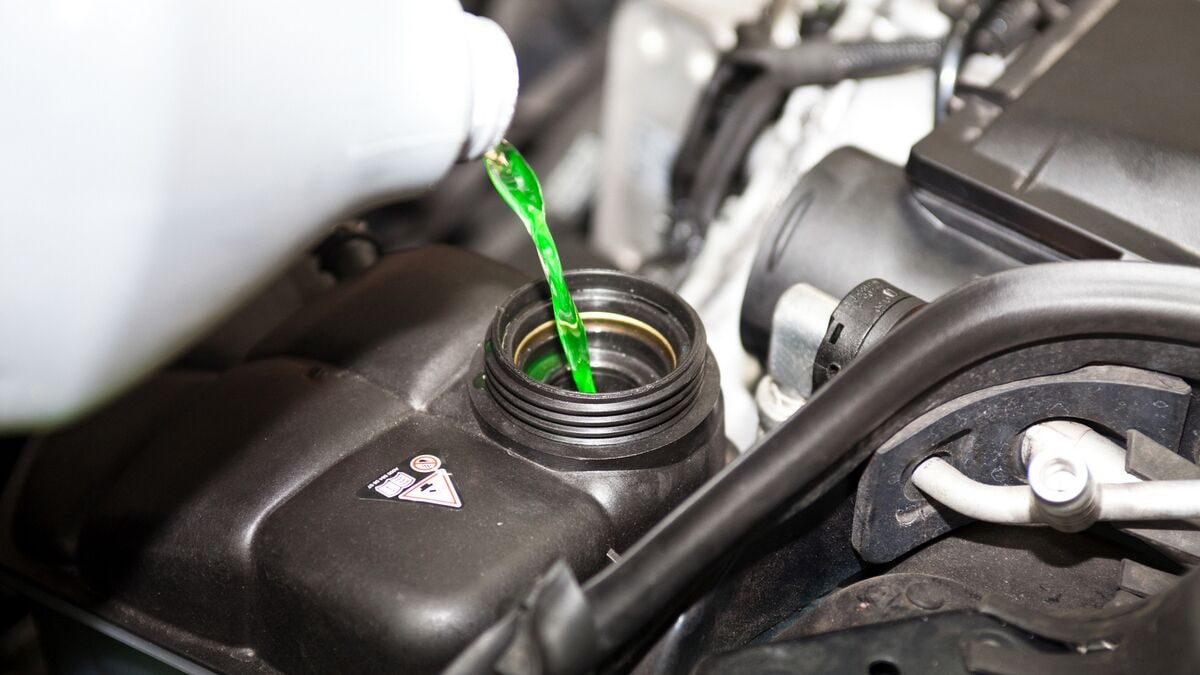
Coolant (antifreeze) helps prevent your engine from overheating and freezing. Both can destroy an engine.
- Check the reservoir level (the clear plastic tank near the radiator), not the radiator cap, especially when the engine is hot.
- Use the correct type and mix ratio listed in your owner’s manual. Most use a 50/50 coolant mix, but different engines use different coolants.
- Select protection for your climate (e.g., to 0°F, -20°F, or lower) and have the system inspected for leaks if you smell coolant or see puddles.
6. Check Belts and Hoses

Cold weather makes rubber parts more susceptible to cracking or failure.
- Replace worn parts now so you’re not stranded on a freezing roadside.
- Inspect belts for cracks, fraying, or glazing.
- Check hoses for leaks, bulges, or soft spots.
7. Choose AWD or 4WD
All-wheel drive (AWD) and 4-wheel drive (4WD) can improve traction in snow to help you get moving, but only if they function correctly and you know how to utilize them.
- Engage the system briefly before winter to ensure it works and avoid surprises in a storm.
- Review your owner’s manual to learn how and when to activate 4WD or drive modes (some require the vehicle to be in Park or Neutral).
- Check for snow mode or a locking differential and learn how to activate it.
SAFETY TIP: AWD and 4WD do not help you stop or turn on ice. Braking is still limited by tire grip.
RELATED: AWD vs. 4WD: Know the Differences
8. Monitor Brakes
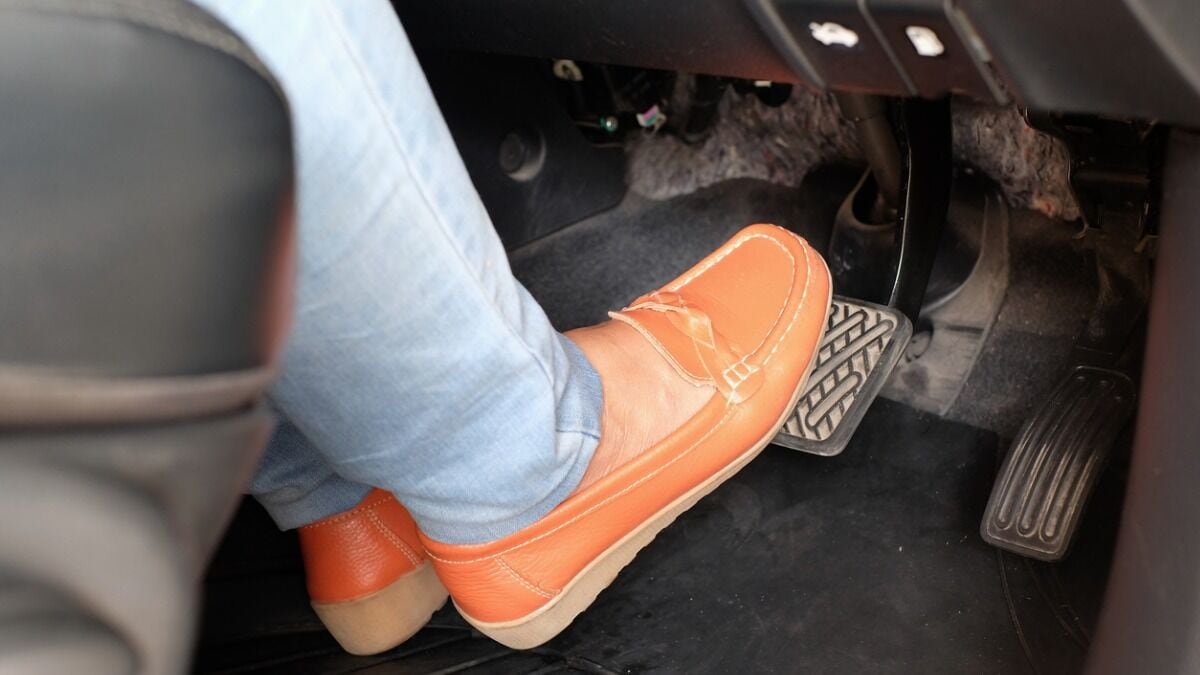
Brakes must be in top shape for snow, ice, and slush. Watch for warning signs:
- Grinding or squealing when you brake.
- Pulling to one side.
- Pulsing or vibrating pedal in normal stops (not just during ABS).
If you notice any of these or your pads are thin, have the brakes inspected and repaired before winter hits.
9. Change Wiper Blades
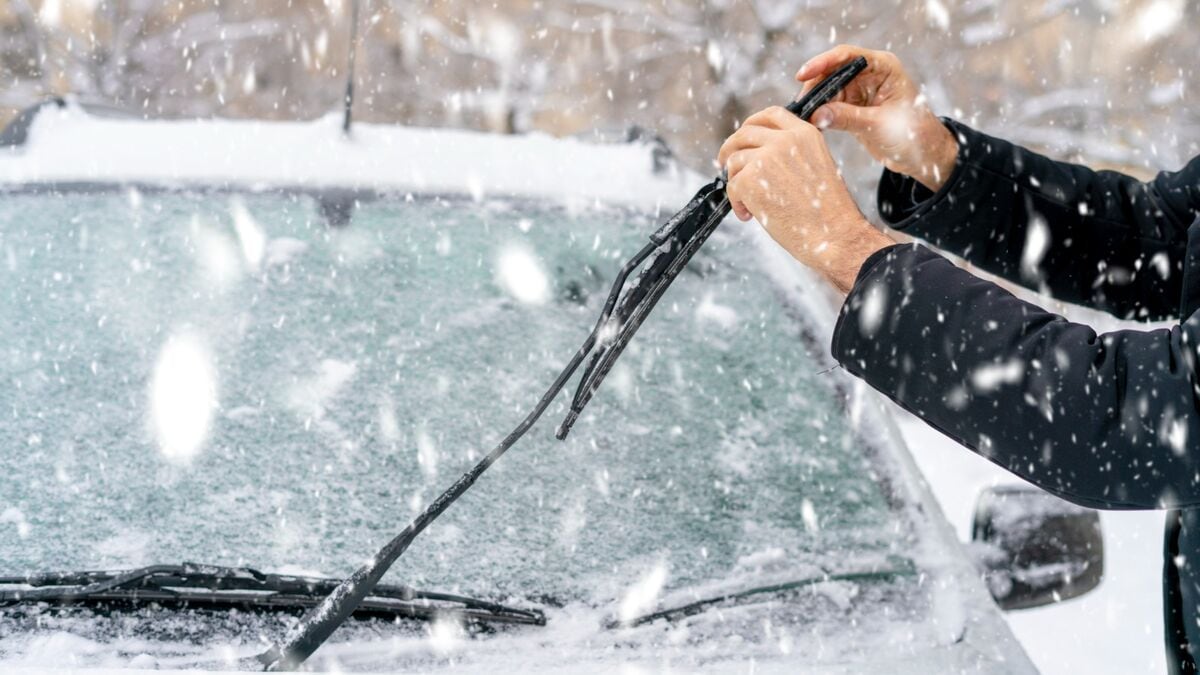
Good visibility is critical in snow, slush, and salt spray.
- Consider winter wiper blades, which handle heavy snow and ice buildup better.
- Replace worn blades if they streak, skip, or look cracked and brittle.
RELATED: How to Change Wiper Blades
10. Fill Fluids
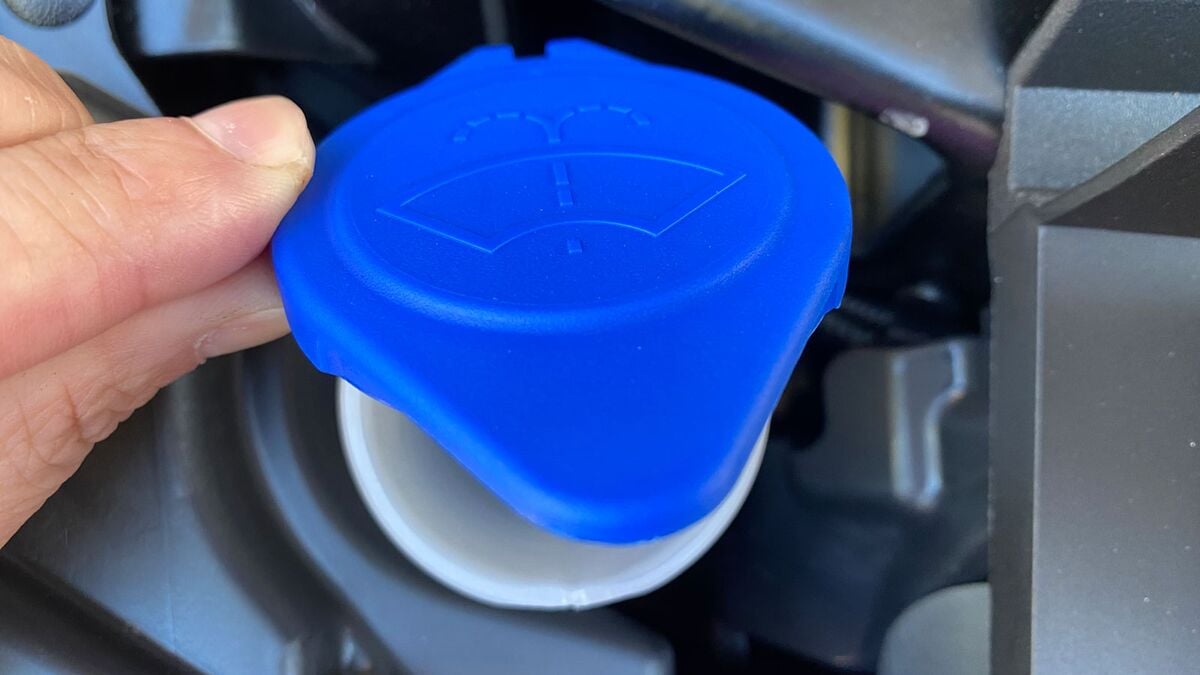
Winter driving quickly throws snow, slush, and salt on your windshield.
- Check other fluids (brake, power steering, transmission) and top off or service as needed.
- Top off washer fluid with a winter blend rated for freezing temps (0°F, -20°F, or lower). Never dilute winter washer fluid with plain water, which can freeze in lines and nozzles.
- Keep a spare jug in the trunk for long trips or storms.
Be Prepared for Winter Driving
Before heading out in winter weather, make sure your heater, defroster, and lights work properly. Keep an emergency kit in your vehicle with a blanket, flashlight, jumper cables, phone charger, and basic supplies. Check the forecast and road conditions before longer trips, and allow extra travel time when snow or ice is expected. A little preparation can help you avoid getting stranded and keep you safer on the road.
Editor’s Note: We have updated this article since its initial publication.
.cai-graphic-kbb-winterize-quick-look {
–kbb-blue: #1D3E74;
–kbb-gold: #F3BC2A;
–kbb-wet-pavement: #131F2B;
–kbb-white: #FFFFFF;
–kbb-blue-wash: #EEF1F6;
–kbb-n600: #4E5760;
–kbb-n200: #C4C7CA;
–brand-font: ‘Figtree’, ‘Segoe UI’, -apple-system, Helvetica, Arial, sans-serif;
box-sizing: border-box;
max-width: 100%;
margin: 1.5rem 0;
padding: clamp(1rem, 4%, 1.75rem);
border: 1px solid var(–kbb-n200);
border-radius: 8px;
background: var(–kbb-white);
color: var(–kbb-wet-pavement);
font-family: var(–brand-font);
font-size: 16px;
line-height: 1.5;
}
.cai-graphic-kbb-winterize-quick-look .wq-el,
.cai-graphic-kbb-winterize-quick-look .wq-el::before,
.cai-graphic-kbb-winterize-quick-look .wq-el::after { box-sizing: border-box; }
/* Header */
.cai-graphic-kbb-winterize-quick-look .wq-header {
display: flex;
align-items: flex-start;
justify-content: space-between;
gap: 1rem;
flex-wrap: nowrap;
}
.cai-graphic-kbb-winterize-quick-look .wq-header-text { flex: 1 1 auto; min-width: 0; }
.cai-graphic-kbb-winterize-quick-look .wq-logo {
display: block;
flex: 0 0 auto;
align-self: flex-start;
height: 72px;
width: auto;
max-width: 40%;
object-fit: contain;
object-position: top right;
margin: 0 0 0 auto;
border: 0;
}
.cai-graphic-kbb-winterize-quick-look .wq-eyebrow {
margin: 0 0 0.25rem;
font-size: 0.78rem;
font-weight: 700;
letter-spacing: 0.06em;
text-transform: uppercase;
color: var(–kbb-n600);
}
.cai-graphic-kbb-winterize-quick-look .wq-title {
margin: 0 0 0.5rem;
font-family: var(–brand-font);
font-size: 1.45rem;
font-weight: 700;
line-height: 1.2;
color: var(–kbb-blue);
}
.cai-graphic-kbb-winterize-quick-look .wq-bar {
width: 64px;
height: 4px;
margin: 0 0 1rem;
border-radius: 2px;
background: var(–kbb-gold);
}
.cai-graphic-kbb-winterize-quick-look .wq-intro {
margin: 0 0 1.1rem;
font-size: 0.95rem;
color: var(–kbb-n600);
}
/* Grid of steps */
.cai-graphic-kbb-winterize-quick-look .wq-grid {
display: grid;
grid-template-columns: repeat(auto-fill, minmax(13.5rem, 1fr));
gap: 0.75rem;
margin: 0;
padding: 0;
list-style: none;
}
.cai-graphic-kbb-winterize-quick-look .wq-item { margin: 0; padding: 0; }
.cai-graphic-kbb-winterize-quick-look .wq-card {
display: flex;
gap: 0.7rem;
align-items: center;
height: 100%;
padding: 0.85rem 0.9rem;
border: 1px solid var(–kbb-n200);
border-left: 4px solid var(–kbb-gold);
border-radius: 6px;
background: var(–kbb-blue-wash);
color: var(–kbb-wet-pavement);
text-decoration: none;
transition: border-color 0.15s ease, background-color 0.15s ease;
}
.cai-graphic-kbb-winterize-quick-look .wq-card:hover {
border-color: var(–kbb-blue);
border-left-color: var(–kbb-gold);
background: var(–kbb-white);
}
.cai-graphic-kbb-winterize-quick-look .wq-card:focus {
outline: 3px solid var(–kbb-gold);
outline-offset: 2px;
}
.cai-graphic-kbb-winterize-quick-look .wq-icon {
flex: 0 0 2.5rem;
width: 2.5rem;
height: 2.5rem;
border-radius: 50%;
background: var(–kbb-white);
border: 1px solid var(–kbb-n200);
font-size: 1.3rem;
line-height: 2.4rem;
text-align: center;
}
.cai-graphic-kbb-winterize-quick-look .wq-body { flex: 1 1 auto; min-width: 0; }
.cai-graphic-kbb-winterize-quick-look .wq-name {
display: block;
margin: 0 0 0.15rem;
font-size: 1.02rem;
font-weight: 700;
line-height: 1.25;
color: var(–kbb-blue);
}
.cai-graphic-kbb-winterize-quick-look .wq-num { color: var(–kbb-n600); font-weight: 700; }
.cai-graphic-kbb-winterize-quick-look .wq-do {
display: block;
font-size: 0.92rem;
line-height: 1.4;
color: var(–kbb-wet-pavement);
}
.cai-graphic-kbb-winterize-quick-look .wq-arrow {
flex: 0 0 auto;
align-self: center;
font-size: 1.5rem;
line-height: 1;
color: var(–kbb-blue);
}
.cai-graphic-kbb-winterize-quick-look .wq-tip {
margin: 1.1rem 0 0;
padding: 0.8rem 1rem;
border-radius: 6px;
background: var(–kbb-wet-pavement);
color: var(–kbb-white);
font-size: 0.9rem;
}
.cai-graphic-kbb-winterize-quick-look .wq-tip-label {
font-weight: 700;
color: var(–kbb-gold);
letter-spacing: 0.06em;
text-transform: uppercase;
font-size: 0.78rem;
margin-right: 0.35rem;
}
