


Modern performance cars are faster than ever, but speed alone doesn’t indicate the whole experience anymore. Turbochargers deliver a rush of torque early on, all-wheel drive makes acceleration easier to tame, while electronics constantly calibrate the car’s behavior. This is useful, especially when the road gets wet, or the ambition of drivers gets ahead of their talent. But it also means most of the work is being done by the car and not the one behind the wheel.
Some enthusiasts still want a performance car that asks to be involved. They want an engine that enjoys revs, a gearbox that demands the right shift, and steering that communicates every move without having electronics filter everything. This combination has become increasingly rare because, while modern performance cars have become faster and easier to drive, they don’t leave much room for the driver to shape the experience.
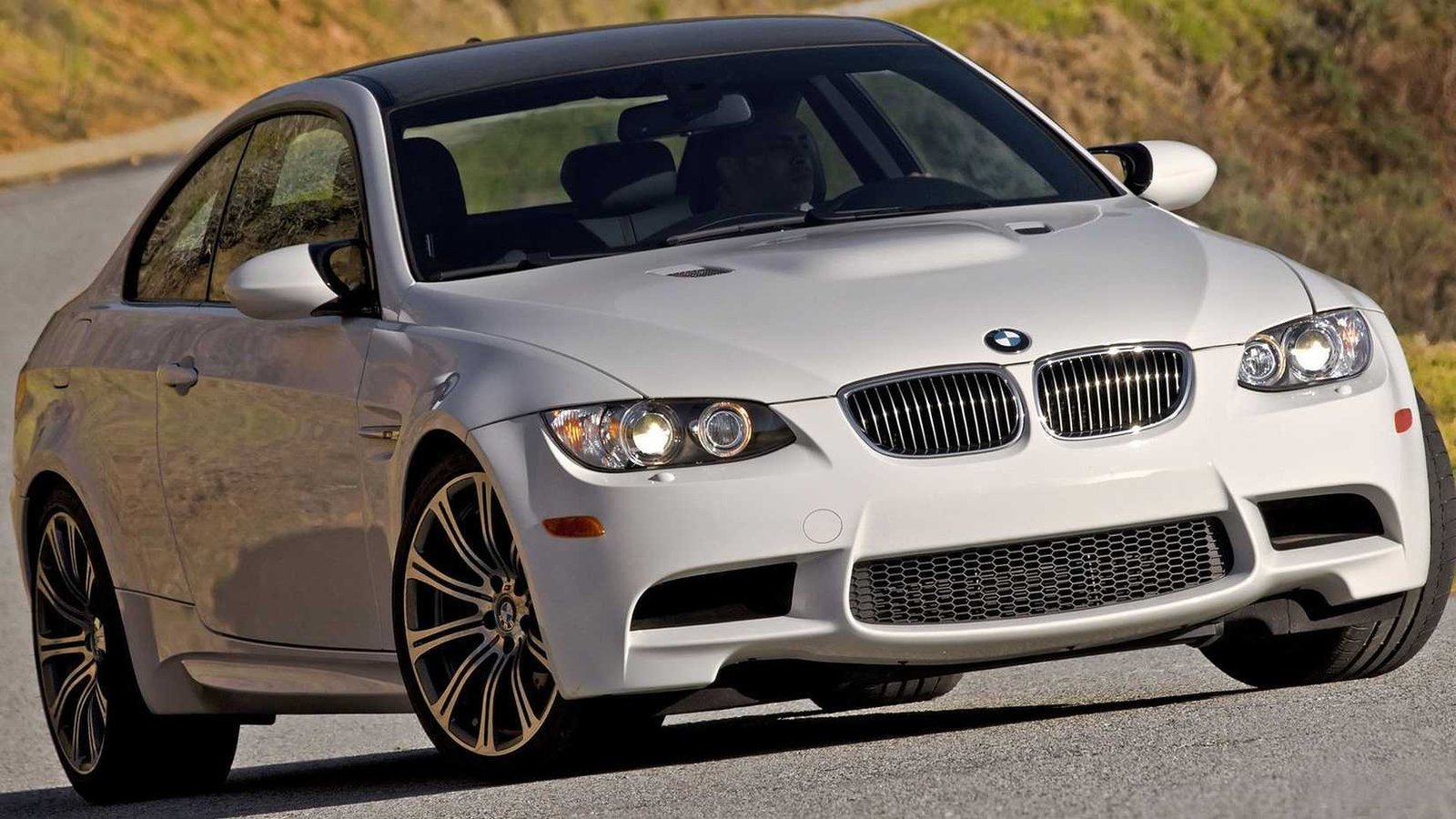
The E92 M3 Was BMW’s V8-Powered Throwback

The E92-generation BMW M3 arrived at an unusual moment. Emission standards and fuel costs were already putting pressure on large-displacement naturally aspirated engines, but BMW still pursued the development of a bespoke V8 for the performance coupe. The result was a 4.0-liter S65 engine that produced 414 horsepower and 295 pound-feet of torque. Its 8,400-rpm redline immediately made it stand out from the turbocharged performance cars that would follow.
Maximum torque arrived at 3,900 rpm, so the engine didn’t deliver its strongest thrust immediately. The driver had to work the gearbox, build revs, and stay engaged. That might sound like extra work for some modern-day drivers, but in the case of the E92 M3, this was the point. The E92’s coupe body also defined its character, with compact proportions, a long hood, a short rear deck, and seating for four. It wasn’t a stripped-out track car pretending to be road legal.

It could carry passengers, handle daily duties, and still look like a serious performance machine, parked outside a coffee shop. The BMW M3 came with a six-speed manual transmission, while a seven-speed dual-clutch transmission was on offer for buyers in need of faster shifts. While the DCT was technically impressive, the manual proved to be the more natural match for the M3’s old-school brief. It gave the driver one more responsibility, which is exactly something modern performance cars attempt to remove.
The S65 V8 And Hydraulic Chassis Keep The Driver Involved
A High-Revving V8 Rewards Driver Input

At low rpm, the S65 feels quick enough but not overly dramatic. But as the revs build, the engine starts feeling more urgent, sharper, and louder; as it nears the redline, it feels like a proper event rather than a needle simply climbing the tachometer. That character meant that the E92 M3 gave a different kind of adrenaline. The driver could choose when to shift, whether to hold a gear through a corner, and how to manage the tail when the V8 came alive. The engine’s response was direct, and its sound offered crucial feedback as revs climbed.
There wasn’t a turbocharger waiting to make up for a poor gear choice. The engine simply asked for better planning. Contemporary rivals offered their own take on the naturally aspirated formula. The Mercedes-Benz C63 AMG used a larger 6.2-liter V8 with more torque and a louder, more theatrical personality. The Audi RS5 paired a 4.2-liter V8 with all-wheel drive and a more planted character. Both were serious performers, but the BMW placed more emphasis on revs, balance, and rear-drive adjustability.
Hydraulic Steering And Rear-Wheel Drive Complete The Formula

The E92 M3’s hydraulic steering system gave the driver a much clearer sense of what the front tires were up to. Once the road began to curve, the steering communicated the road surface and the car’s changing attitude with a level of detail that today’s systems iron out. A limited-slip differential helped the rear axle distribute power, while the balanced chassis made the M3 adaptable with throttle and steering.
The suspension, brakes, and rear-wheel-drive layout worked in sync rather than functioning as individual systems managed by an invisible committee. The E92 wasn’t particularly light by old-school sports-car standards. Depending on the specifications, it weighed well over 3,500 pounds. But its balance, steering, and engine response overshadowed some of that mass. It felt mechanical and tunable instead of feeling digitally filtered, and that made for an involving affair even when the car moved quickly.
The E92 M3’s Old-School Appeal Comes With Modern-Day Caveats
The same qualities that make the E92 M3 appealing also result in compromises. Compared with modern turbocharged standards, its torque is modest, so the driver really needs to build revs to unlock its best acceleration. Being a naturally aspirated, high-revving performance engine means that fuel consumption isn’t its strong suit, the rear seats are better off having shorter passengers, and the ride tends to feel firm on broken or uneven pavement.
How well the E92 M3 has aged also matters for prospective buyers, as the S65 V8 is a complex performance engine. As a result, prospective owners need to consider a budget for proper maintenance. Rod-bearing wear, throttle-actuator failures, cooling-system issues, and neglected suspension components can transform an otherwise attractive used M3 into a highly expensive project. The dual-clutch automatic transmission adds another layer of mechanical complexity, despite shifting with impressive speed. Sure, newer M cars are faster, more efficient, and easier to drive quickly.

But they also carry more weight, more software, and more electronic management. The E92 M3 demands more involvement from the driver, and that is exactly why it also remains appealing. It may not be the fastest German coupe BMW ever built, nor is it the most practical one. But it’s definitely one of the last few to make the driver work for an engaging experience. Its naturally aspirated V8, hydraulic steering, manual gearbox option, and rear-wheel-drive package make it a compelling choice for anyone looking for a performance car that feels mechanical rather than like just another piece of expensive software.
Source: BMW, Mercedes-Benz, Audi
