


Buying new gets you an untouched interior, a full warranty, and the privilege of absorbing the first owner’s depreciation. Buying used can get you considerably more car for the money, or somebody else’s neglected maintenance schedule with fresh tire dressing. The trick is finding models whose appeal survives the price drop, then refusing to confuse an affordable purchase with affordable ownership.
This list is ranked by depreciation, driving experience, maintenance exposure, and available warranty coverage. It is an editorial ranking, not a reliability league table. The focus is mostly 2020–2023 cars, with roughly 30 percent below a comparable new alternative as a shopping target rather than a guaranteed discount.
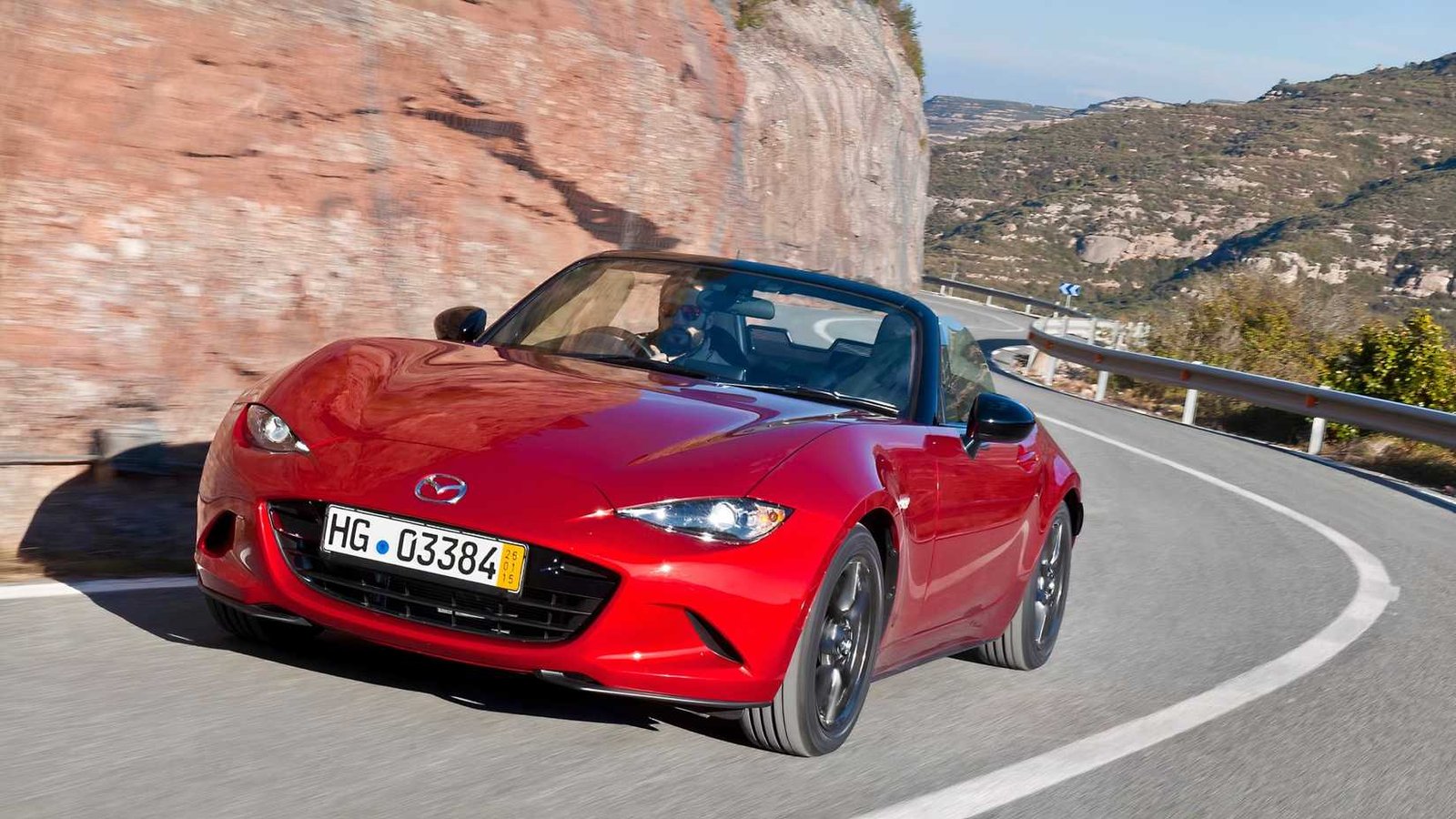
2020–2022 Mazda MX-5 Miata
The Driving Experience Survives Better Than The Discount

The Miata sits tenth because its used-buy case depends heavily on the asking price. Strong resale values can leave an optimistic seller fishing surprisingly close to new-car money, at which point the warranty and untouched condition of a fresh example deserve serious consideration.
A 2020 Club Manual Makes A Sensible Starting Point
Start with a 2020 Club manual, which delivers the 181-horsepower engine introduced for 2019 and the straightforward appeal of a lightweight, RWD roadster. You are shopping for steering, balance, and a manual gearbox rather than the latest screen, so an older example preserves much of the reason to buy one.
2021–2023 Mazda3
Depreciation Makes Everyday Appeal More Affordable

The Mazda3 makes its argument through everyday usefulness rather than exotic-car depreciation. iSeeCars estimates five-year depreciation of approximately 36.2 percent for the sedan, enough to make an older example worth considering without pretending every nearly new Mazda is a steal.
The 2022 Preferred Balances Equipment And Purchase Price
A 2022 2.5 S Preferred is a sensible starting point, pairing the naturally aspirated 2.5-liter engine with a useful level of equipment. Its appeal is buying the version you actually want after some depreciation, rather than buying the newest version your budget barely accommodates.
2021–2023 Cadillac CT5 Premium Luxury
Cadillac Luxury Becomes Easier To Justify After Depreciation

The name here is CT5, Cadillac’s successor to the CTS, and the distinction matters when hunting listings. Its estimated five-year depreciation of 41.6 percent creates an opening for buyers who want a luxury sedan without paying for its first trip out of the showroom.
Check The Engine Before Comparing Premium Luxury Listings
Start with a 2022 Premium Luxury and establish which engine is fitted. The standard turbocharged four-cylinder produces 237 horsepower, while the available twin-turbocharged V6 delivers 335 horsepower and 405 pound-feet of torque; those are materially different shopping propositions.
2021–2023 Audi A6
A Steep Price Drop Opens The Executive-Sedan Door

The Audi A6 supplies one of the clearest depreciation arguments here, with an estimated 56 percent lost after five years. That does not make it the automatic winner: substantial luxury-car depreciation can lower the admission price while leaving the maintenance bills fully dressed for the occasion.
Shop The 2022 Premium Plus With A Maintenance Reserve
A 2022 Premium Plus is a useful search target, although the right 2021 or 2023 deserves equal attention if its condition and price are stronger. Decide whether you want the four-cylinder or V6 before comparing listings, because engine choice can distort the apparent bargain.
2021–2023 Mercedes-Benz E-Class
Comfort Remains Appealing After The Original Premium Fades

A used E-Class makes sense for someone who wants a car to make the journey easier, rather than turn every errand into qualifying practice. Estimated five-year depreciation of 51.5 percent provides the financial argument, while the appeal of a traditional Mercedes sedan supplies the emotional one.
Begin with a 2022 E350 sedan, part of the refreshed generation that debuted for 2021. The year is a search preference rather than a claim that 2022 examples possess some special immunity to repairs, and a documented older car can easily deserve your money more.
2021–2023 BMW 5 Series
Executive-Car Depreciation Creates A Substantial Buying Opportunity

The 5 Series is where buying used can turn an executive-car aspiration into a realistic shopping exercise. Its estimated 54.7 percent five-year depreciation is substantial, although the car does not suddenly adopt economy-sedan running costs because its asking price has fallen.
Start With A 2022 530i And Price Upcoming Servicing
A 2022 530i is the starting point for buyers who want the experience without automatically escalating to a more powerful variant. It belongs to the 2021 generation, making it a useful place to search for a modern-feeling example with several years of depreciation behind it.
2020–2023 BMW 3 Series
The Sport-Sedan Formula Costs Less After Its First Owner

The 330i is a reminder that the desirable BMW does not always need an M badge. A used example lets buyers pursue the sport-sedan formula while avoiding some of the original outlay, with estimated five-year depreciation of 46.5 percent across the 3 Series.
A Stock 2021 330i Keeps The Buying Equation Simpler
Start with a 2021 330i, then compare its equipment and mileage with later examples. This is a value-search target rather than a uniquely reliable year, and the attraction is retaining the car’s central character without insisting on its newest presentation.
2021–2023 Genesis G80
Luxury Equipment Becomes More Compelling At A Used Price

The G80 rewards buyers who care more about the luxury they receive than the recognition they receive at the valet stand. Estimated five-year depreciation of 49.2 percent creates room to shop its equipment and design at a substantially reduced entry point.
The 2022 2.5T Rewards Careful Specification And Warranty Checks
A2022 2.5Tis the preferred starting point, with 300 horsepower and 311 pound-feet of torque from its turbocharged four-cylinder. That makes it possible to pursue the luxury brief without assuming the more powerful engine is essential to enjoying the car.
An eligible Genesis Certified example can strengthen the argument through warranty coverage. Check the original in-service date and mileage limits, though: certification does not reset the car’s age or hand the next owner a completely fresh warranty clock.
2022–2023 Genesis G70
Depreciation Brings The Performance Configuration Within Reach

The G70 makes a particularly persuasive case for buying the performance configuration used. Estimated model-wide five-year depreciation of 44.1 percent suggests an opportunity, although a desirable 3.3T can command different money from the averages.
Target The Refreshed 2022 3.3T Without Overlooking Wear
Target a 2022 3.3T, which brings refreshed styling and updated infotainment, along with a twin-turbocharged V6 rated at 365 horsepower in its standard configuration. It is a compelling recipe for the buyer who wants meaningful performance without paying the original new-car price.
2021–2023 Lexus ES
The Complete Ownership Proposition Earns First Place

The Lexus ES takes first because this ranking rewards the complete buying proposition, not the most spectacular percentage loss. The estimated five-year depreciation of 35.2 percent for the ES 350 is milder than that of several rivals here, so buyers must be especially disciplined about the actual price gap.
The 2022 ES 350 Adds A Useful Touchscreen Upgrade
The2022 ES 350 is the clearest year-specific recommendation, adding touchscreen operation to a car powered by a 302-horsepower V6. That update gives buyers a practical reason to favor it over the 2021 model, while the FWD layout and comfort-oriented mission make its priorities clear. A strong reputation still cannot inspect an individual car, so require maintenance records and check condition before paying a Lexus premium.
Sources: Various Automakers, iSeeCars, Car and Driver, Edmunds, Kelley Blue Book
