


One of the biggest perks of electric vehicles (EVs) is that they’re low-maintenance. They have far fewer parts than traditional internal combustion engine (ICE) vehicles, which means less things break down, they don’t need oil changes, and the electric motors and battery packs are relatively maintenance-free. While EV ownership is generally cheaper, electric vehicles operate best using specialized tires but they are typically more expensive.
Here’s everything you need to know about EV tires.
Why Do EVs Need Special Tires?
Electric vehicles carry heavy electric batteries, thus they weigh much more than their gas-powered counterparts. Gas engines aren’t exactly light, but they are lighter than the electric motors and batteries that power EVs. That weight adds up if an EV has multiple motors and a larger battery pack for extended range and optimal performance.
For example, the Nissan Leaf is about 1,500 pounds heavier than the Nissan Versa, despite having similar dimensions. An extreme example is the mighty GMC Hummer EV Pickup, which tips the scales at 9,063 pounds. That’s about double the weight of a traditional, gas-powered, full-size pickup truck.
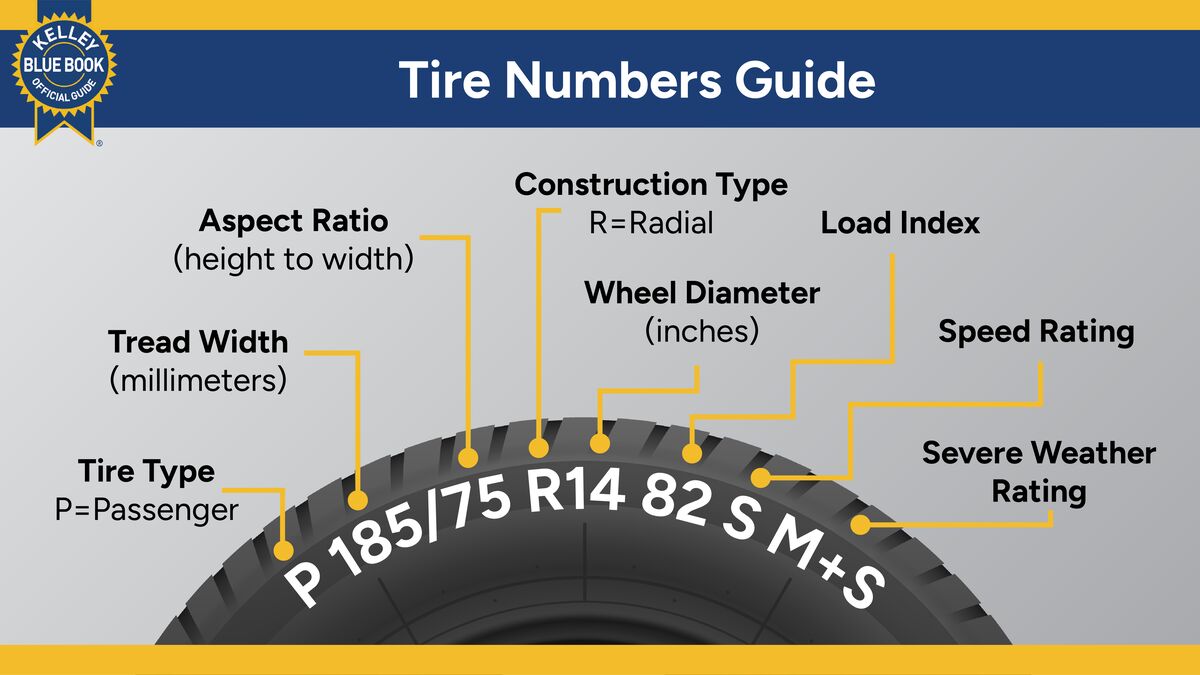
Specialized tires with high load indexes are needed in order to support the extra weight. EV tires are also designed to reduce road noise. On a gas car, the engine drowns out some road noise. Since electric powertrains are so quiet, the noise is more pronounced. A foam inlay inside the tire helps with noise.
Can EVs Use Regular Tires?
In short, yes. An EV will still run with regular tires and get you from point A to B. However, we would advise against this if possible. Ordinary tires on an EV negatively impact handling, wear out faster, and can very well pose a safety issue.
If you are going to use normal tires, just ensure that the tires you’re using match the required load rating for your vehicle. Know that you may see reduced vehicle range and increased road noise if you choose normal tires.
How Much Do EV Tires Cost?
EV tires are more expensive than their normal counter parts, partly due to specialized technology and partly due to the smaller market. You can expect to pay $200 to $400 for a single EV tire, meaning a whole set falls somewhere between $800 and $1600.
Spending more on special tires for EVs that last longer is worth the extra cost at the tire shop. In the long run, EV-compatible tires will last longer, and you’ll spend less than you would have if you got cheaper tires and replaced them more frequently. Remembering that replacing tires is one of the few EV maintenance costs.
What to Look for in EV Tires
Tire manufacturers are good about labeling their EV-compatible tires, along with online tire retailers making it easy to search for the right rubber. Enter your EV’s make and model on the website, and it will show you tires suitable for your car.
Unless you’re looking to change up the size of your tires or get aftermarket wheels, it should be easy to shop for the OEM tire size of your EV. Beyond that, the load index is one of the most important things to check. The higher that number, the more weight the tire can handle. It’s also wise to examine the tires’ warranty, which is an indicator of how long you can expect them to last. Follow the manufacturer’s guidelines regarding tire rotation and proper inflation.
Read Related Stories:
- Electric Car Rebates and Incentives: What to Know by State
- Busting the Myths and Fears of Buying an Electric Car
- How to Take an EV Road Trip
