


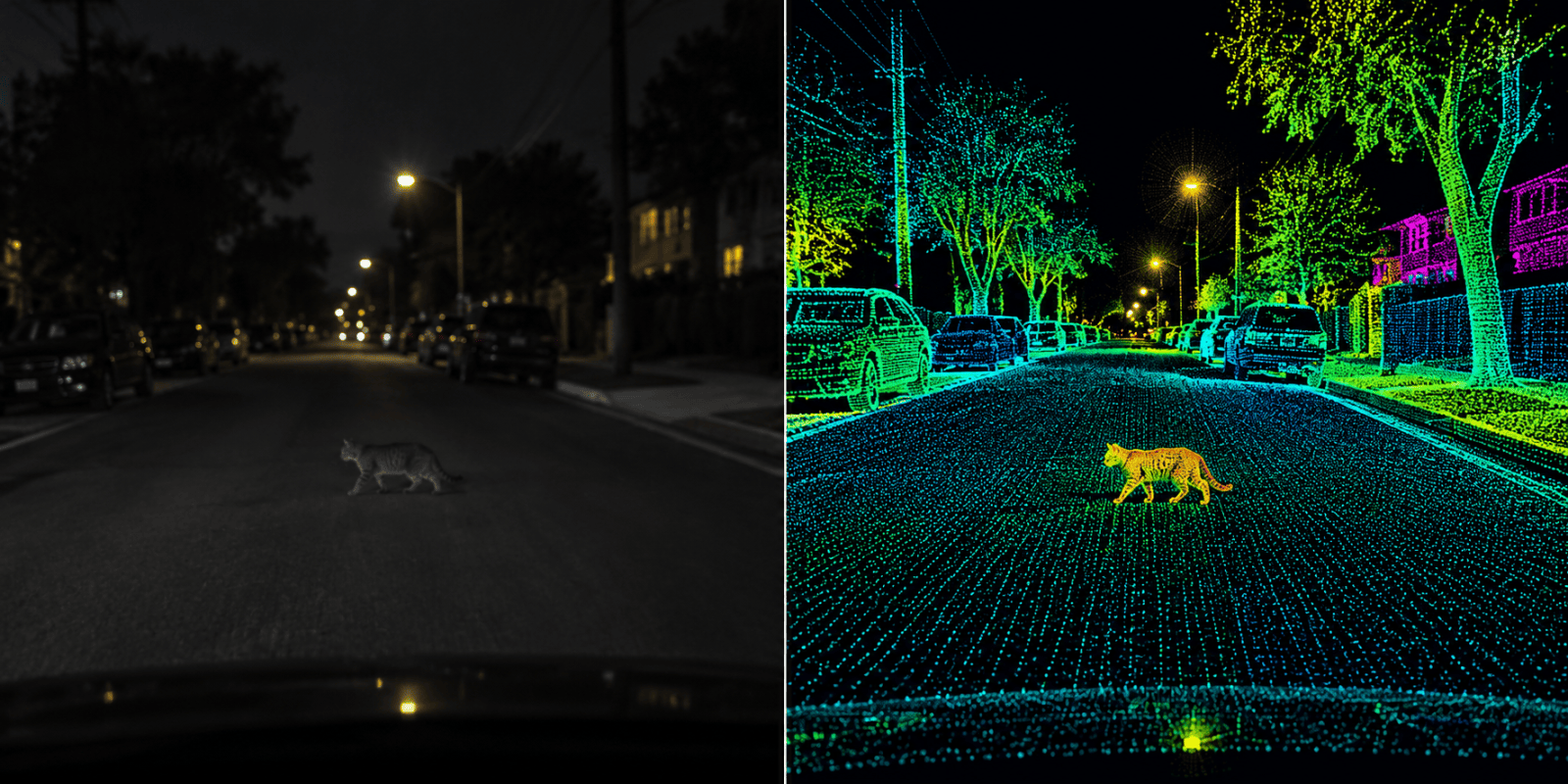
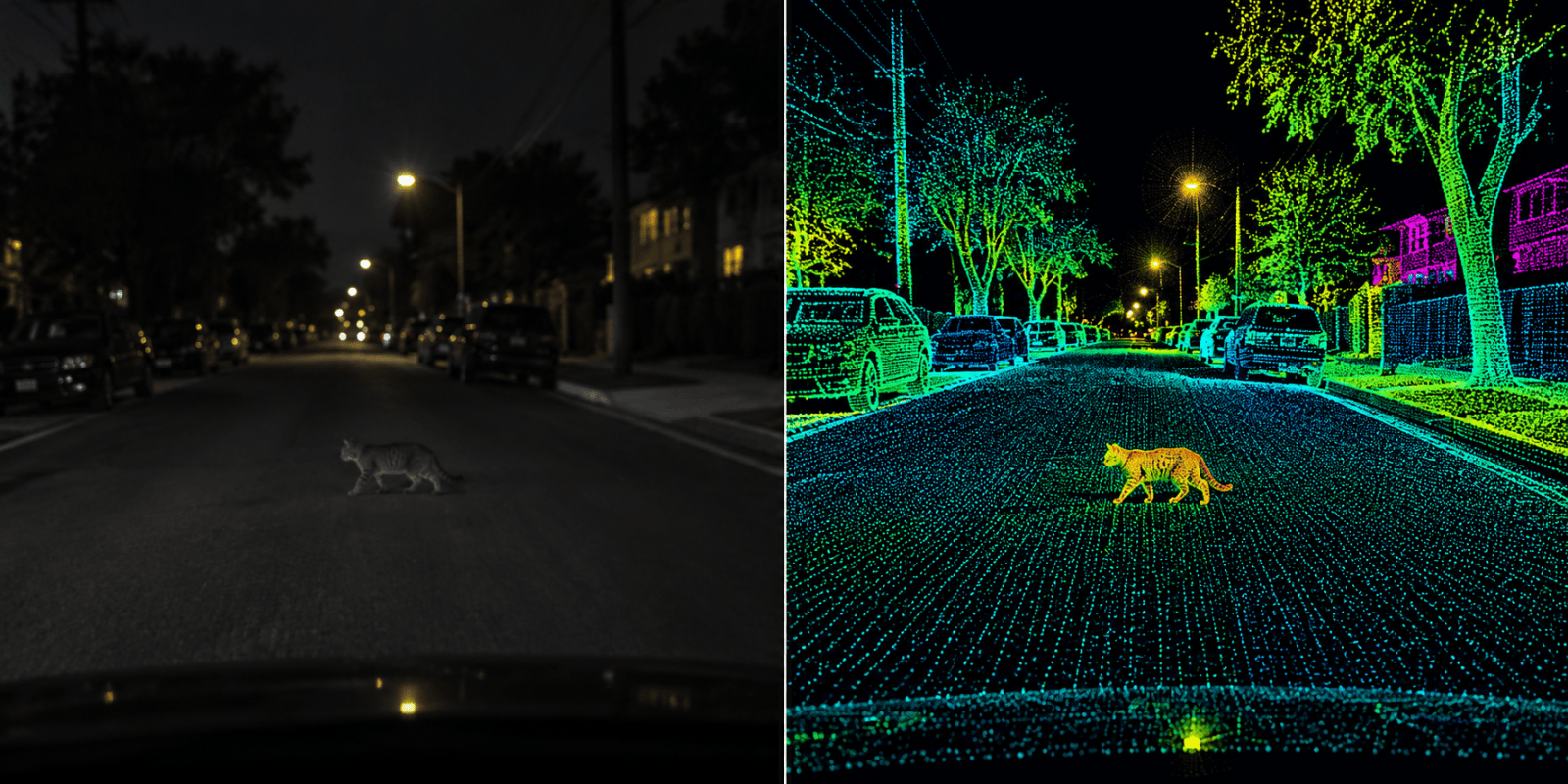
GM Chief Product Officer Sterling Anderson, who ran Tesla’s Autopilot program in 2015 and 2016, says dropping radar for a camera-only self-driving system is “a weird religious stance that ignores physics.”
It’s the bluntest rebuke of Tesla’s vision-only bet yet from someone who helped build the original Autopilot. And it lands while Tesla is pushing camera-only Cybercabs into driverless service in Austin.
Anderson made the comments in an interview with The Verge published October 27, after GM’s technology event in New York the week before. Asked whether GM could eventually move to a vision-only approach like Tesla’s, he didn’t leave much room for interpretation.
“If you scale back to vision-only, physics suggests you’ll be in trouble in certain situations,” Anderson said. He added that radar is so cheap that removing it makes no sense, and that “cameras can’t see through dense fog or measure instantaneous velocity like radar can.”
He also said lidar helps camera systems improve faster when the two are trained together. That’s a direct counter to Tesla’s argument that cameras plus fleet data are all you need.
Not your typical critic
Anderson isn’t a lidar startup CEO talking his book. He led the Model X program at Tesla, then directed Autopilot during its formative years before co-founding self-driving company Aurora. GM hired him as chief product officer in 2025, and Bloomberg reported last year that Mary Barra sees him as a frontrunner to become GM’s next CEO.
His roadmap at GM goes the other way from Tesla’s. The Cadillac Escalade IQ is due to debut GM’s “eyes-off” system in 2028, with lidar, radar, and cameras.
He took a shot at another Tesla habit in the same interview. Anderson said he avoids “eyes off” marketing language altogether, arguing that a driver-assist system that feels very capable already pushes drivers into complacency. That’s the core problem with selling “Full Self-Driving (Supervised).”
Our reporting backs him up
Tesla started pulling radar from Model 3 and Model Y in May 2021. Tesla Vision launched with limitations: Autosteer capped at 75 mph, a longer minimum following distance, and Smart Summon and Emergency Lane Departure Avoidance disabled at delivery. Ultrasonic sensors went next, in 2022.
The decision wasn’t unanimous inside Tesla. Former employees said engineers tried to convince Elon Musk not to drop radar, and he overruled them. Musk told Electrek at the time that “a very high resolution radar would be better than pure vision, but such a radar does not exist.” We argued that there are plenty of high resolution radars these days.
But the bigger problem is the exact one Anderson named: visibility.
In March, NHTSA upgraded its investigation into FSD in reduced-visibility conditions to an Engineering Analysis covering 3,203,754 vehicles, the last step before a recall. The probe now counts nine crashes, including a pedestrian killed in November 2023. NHTSA found FSD’s camera degradation detection “did not detect common roadway conditions that impaired camera visibility,” including sun glare, fog, and airborne dust, and only alerted drivers right before the crashes.
Radar doesn’t care about sun glare. That’s the point of redundancy.
Electrek’s Take
Anderson is right, and he’s in a better position than almost anyone to say it. He ran Autopilot back when it still used radar.
The vision-only case always rested on a tidy idea: humans drive with two eyes, so cameras and enough AI should do the job. But humans crash in fog and glare too, and the promise was always to be far safer than humans, not just as good. Removing a cheap sensor that directly measures velocity, overruling your own engineers to do it, and ending up with a 3.2-million-vehicle NHTSA investigation into cameras that can’t tell when they’re blind isn’t first-principles engineering. It’s a position Musk staked out in 2019 when he called lidar a “fool’s errand,” and he’s been defending it ever since.
Tesla’s own behavior has drifted anyway. It’s building its own fleet maps after years of mocking them, and its Robotaxi runs inside geofences like everyone else’s. Meanwhile, Waymo, with lidar, radar, and cameras, has logged roughly 271 million rider-only miles. Tesla has about 3 million driverless miles since it started pulling safety monitors in January.
If you’re buying an EV, powering it with home solar can cut your fuel costs to nearly zero. With electricity rates up almost 10% last year and expected to keep climbing, going solar is one of the best ways to protect yourself against rising costs. And with lease and PPA options, you can do it with zero upfront cost and start saving immediately. If you want to find the best deal, check out EnergySage. It’s a free service with hundreds of pre-vetted installers competing for your business, so you save 20 to 30% compared to going it alone. No sales calls until you pick an installer. Get your free quotes here.


FTC: We use income earning auto affiliate links. More.
