


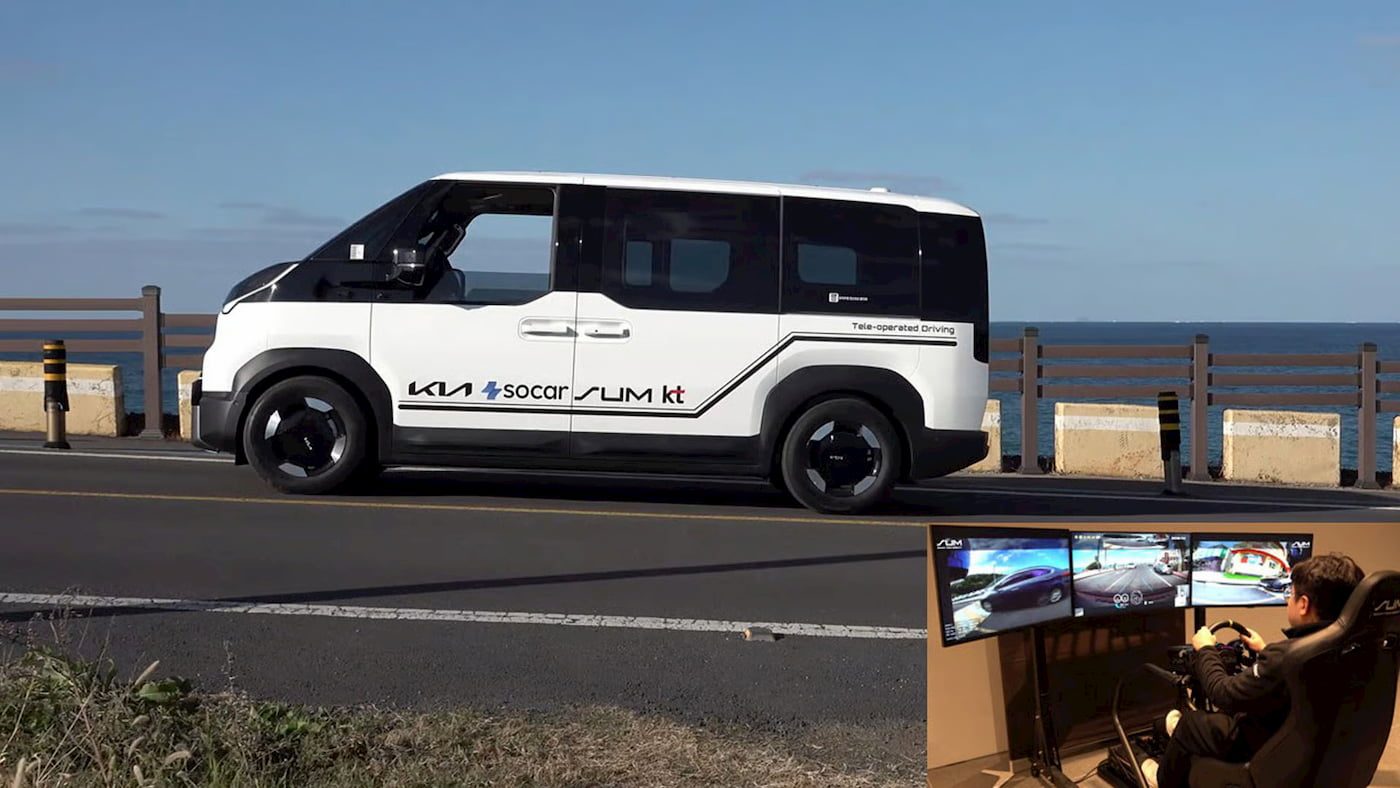
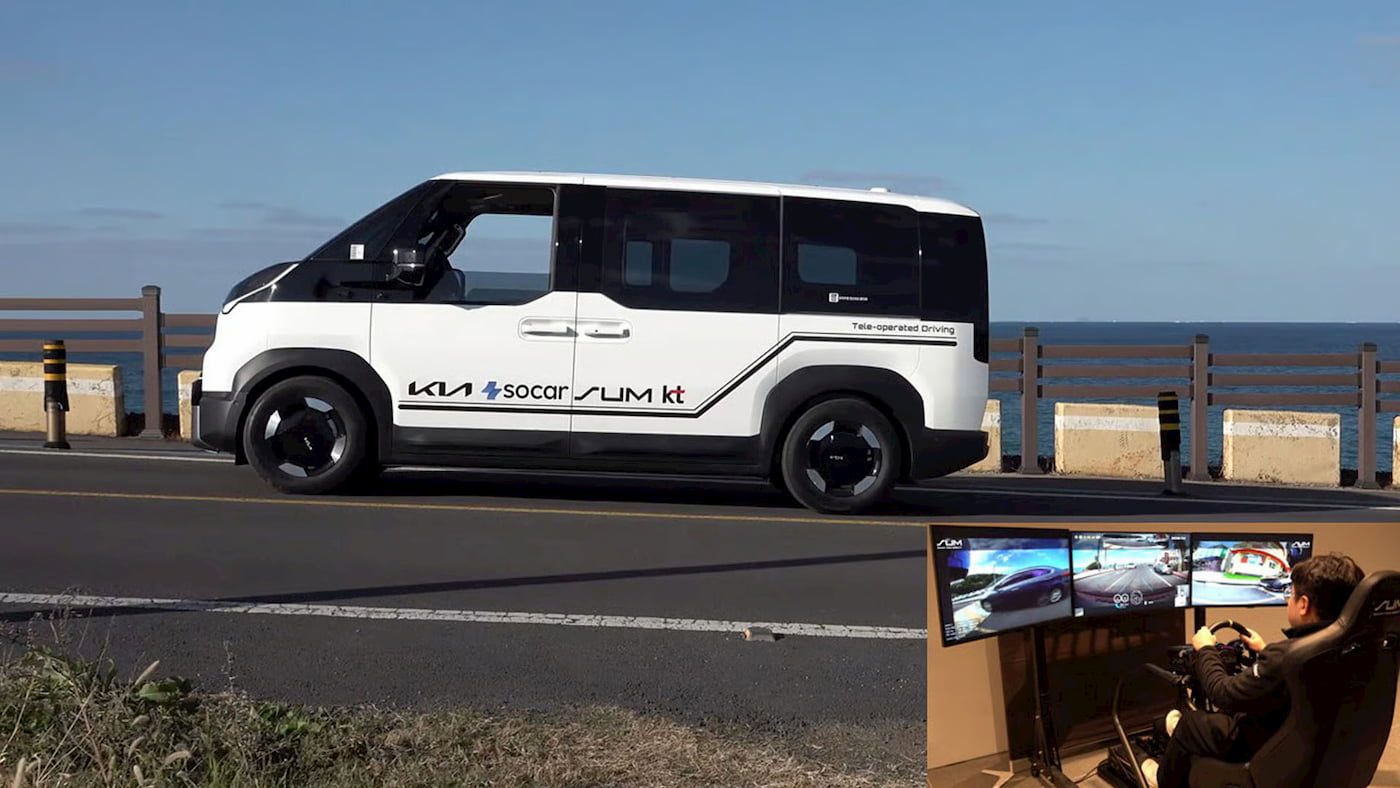
Kia launched a first-of-its-kind remote car-sharing program in Korea using the PV5 electric van.
Kia is using the PV5 EV van for remote car-sharing
The pilot program began operations on Thursday in Pangyo, Gyeonggi Province, using the Kia PV5, and it will run until the end of the year.
Kia said the new car-sharing service is the first of its kind in South Korea to use remote driving technology.
How does it work? Those interested can reserve a vehicle through a dedicated app. Once reserved, Kia’s electric van will drive itself to the requested location without a driver, using remote driving technology.
Users can drive the PV5 as they please and then park it at a desired location when they are finished. A remote driver will then move the vehicle back to its garage using 4G or 5G wireless technology.
Kia said the program can help businesses improve efficiency and reduce the burden of owning a fleet of vehicles. It’s also convenient to pick up and drop off the vehicle as you please.
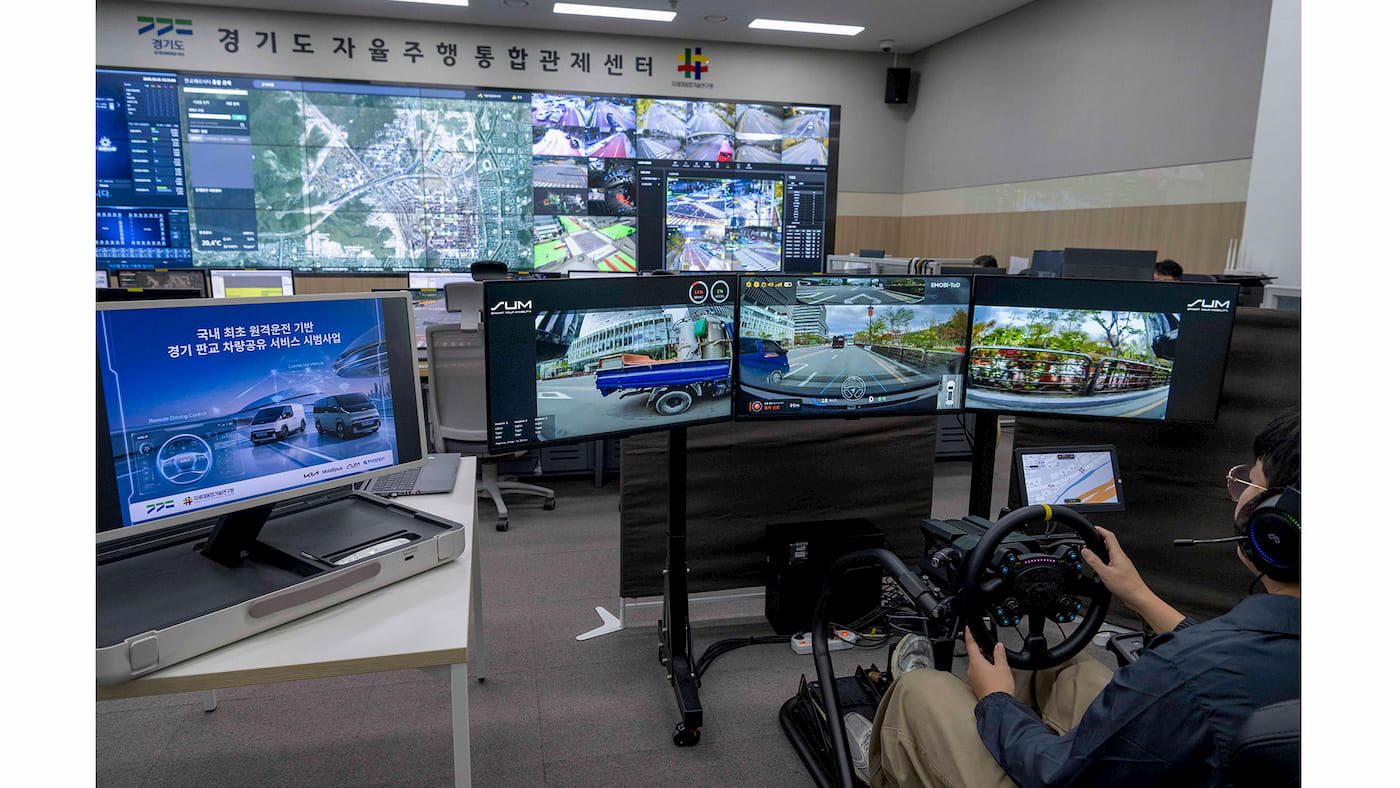
The PV5 remote car-sharing pilot program is the latest in Kia’s push to advance remote driving technology.
Last April, Kia received a special exemption for the remote driving regulatory sandbox from the Ministry of Land, Infrastructure and Transport. In November 2025, it formed a Remote Driving Consortium with Socar, KT, and autonomous driving startup SUM, showcasing Korea’s First Remote Driving Demonstration on public roads by a domestic brand.
Most recently, Kia signed an MOU with KT and SUM in July to promote the commercialization of remote driving tech and aims to launch the service within a year.
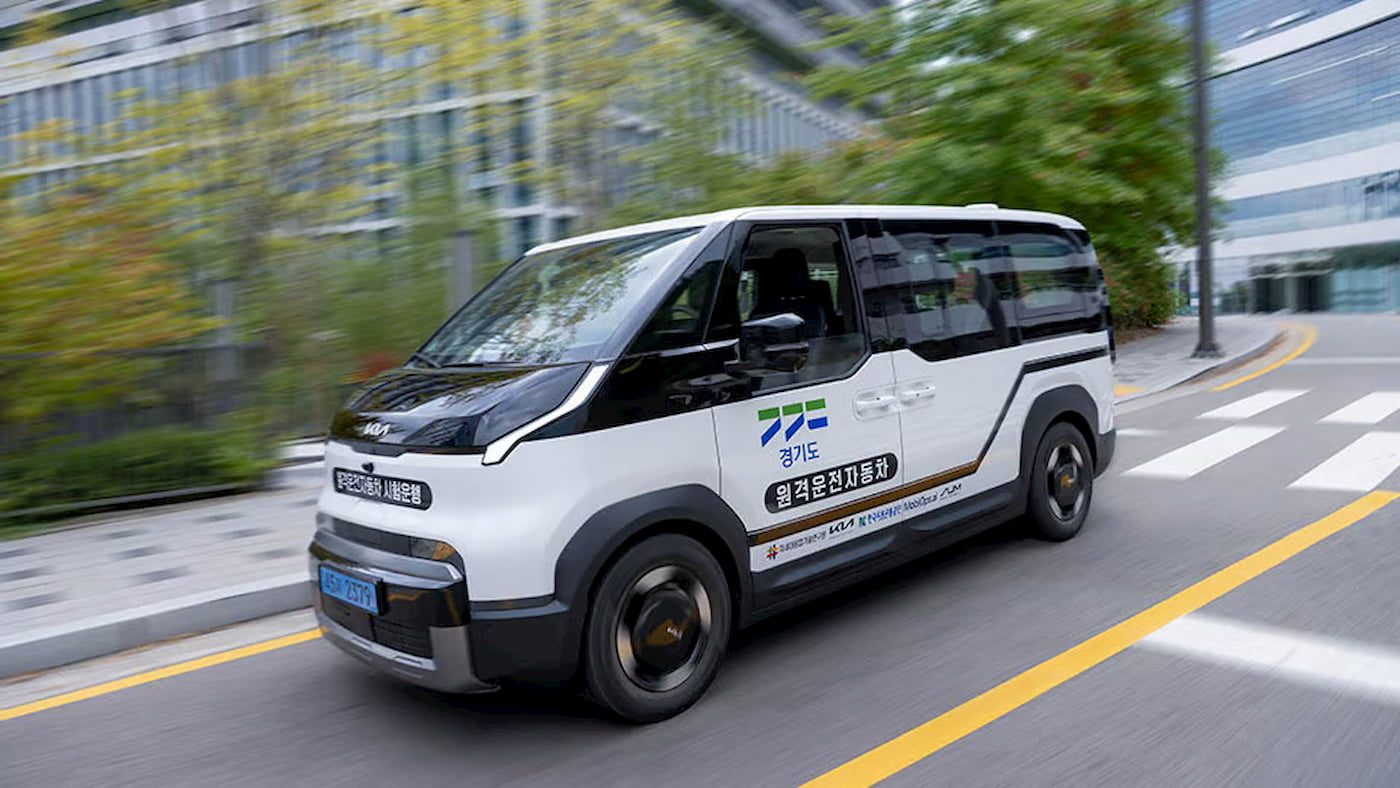
For the pilot service that launched this week, Kia, SUM, Mobiops, and the Korea Road Traffic Authority are participating in a consortium. Gyeonggi Province, KT, UMOS ONE, the Next Generation Convergence Technology Research Institute, and the Gyeonggi Automobile Rental Business Association are supporting the project as partner organizations.
Kia will provide PV5 vans and oversee the project. SUM will develop the remote driving solution, while Mobiops will handle service operations. Meanwhile, the Korea Road Traffic Authority assists with regulatory reviews.
During the pilot period, the partners will verify the remote driving technology and the feasibility of service operations under real-world conditions.
Using the data gathered during the trial, Kia plans to continue advancing the technology and expand the service in 2027 to accelerate the commercialization of PV5-based remote driving services.


FTC: We use income earning auto affiliate links. More.
