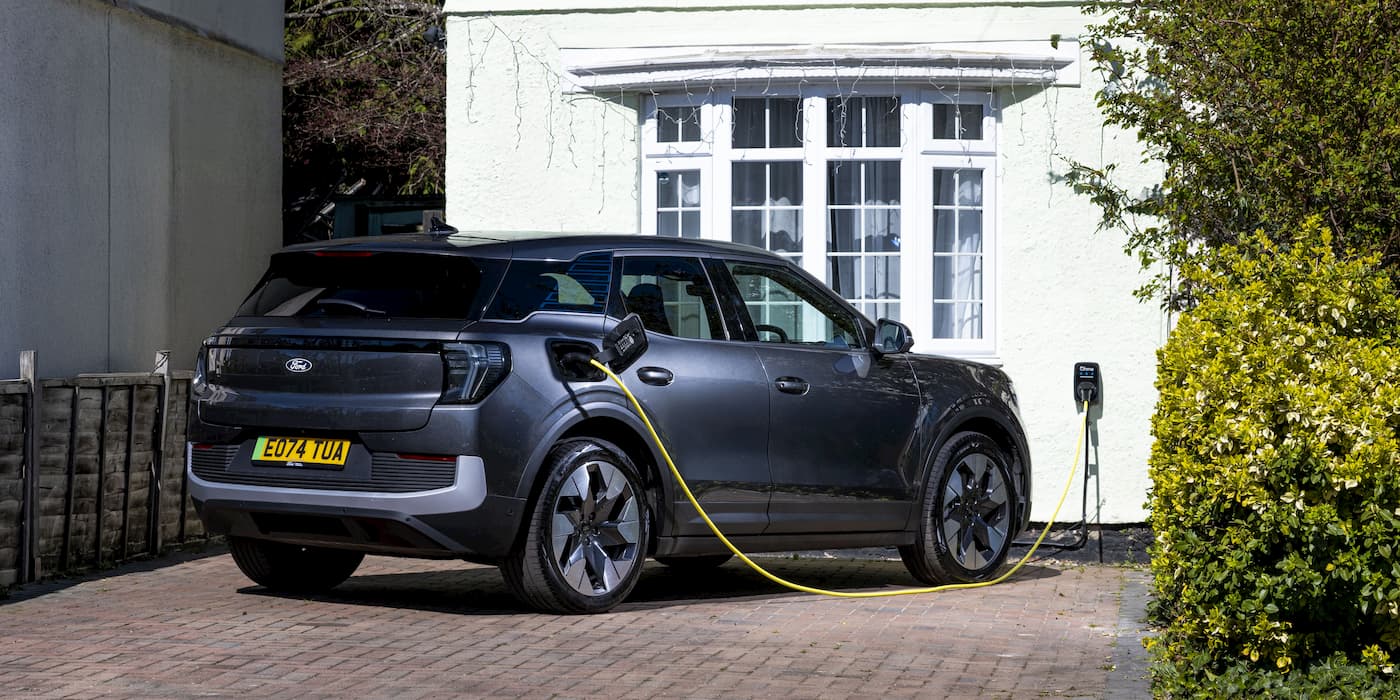
A study of millions of UK vehicles shows that electric cars stay on the road longer than petrol cars, and the gap widens as mileage increases.
With electric cars being a relatively new technology, many people have been skeptical of what their long-term reliability would look like. Despite EVs having fewer moving parts which suggests less opportunity for failure, fear of the new still keeps people worrying.
But electric cars aren’t really that new anymore. The oldest EVs of the modern era have now been on the road for nearly two decades, so we’ve got some data now. And it turns out EVs look pretty good, according to a new study.
The study was conducted using data from millions of annual British MOT tests, the standard test of roadworthiness for cars on British roads. These tests focus on a car’s suspension, brakes, tires, exhaust, and emissions.
It checked how likely cars were to come back for another MOT test – if they didn’t, then that meant the car was no longer on the road (whether it be for an issue with those five categories above, or another issue).
In the beginning of their operational life, there’s little difference between roadworthiness of petrol and electric vehicles. EVs actually experience slightly more problems in the early years of ownership, but that’s because EVs tend to put on more miles early than petrol cars do.
When comparing on a mileage basis, EVs have very similar failure rates in the early years, differing by less than a percentage point. But that changes once you get to higher mileage numbers – past 40,000 miles lifetime.
At that point, petrol cars are less reliable, and the reliability only gets worse over time. By the time a petrol car reaches 120,000 miles, it’s 7.5% more likely to have failed than an EV (16% vs. 23.5%).
The same goes for age, as cars get older the EVs remain more reliable. That’s despite higher annual mileage from EVs no matter where they are in their age bracket.
The study also compared vehicles that have an electric and a petrol version side by side. In every case except the VW Golf, it was either a tie or a reliability win by BEVs.
This is despite the compromised BEV design of these multi-powertrain vehicles. Most of them were designed with limited chassis modifications, simply adding a large battery, making the BEV versions heavier than their chassis was designed for.
This weight discrepancy led to higher tire wear for BEVs. Across the board, BEVs did have significantly higher tire wear than petrol vehicles. But multi-powertrain vehicles like the VW Golf had much higher tire wear rates than purpose-built BEVs like the BMW i3.
While weight did have an effect on tire wear, it didn’t have an effect on suspension. The study found that BEVs suffered fewer suspension problems than petrol vehicles, no matter the mileage.
And brakes were obviously responsible for far fewer problems on BEVs, given that most braking happens via regenerative braking on electric cars. However, very old EVs (over 10 years old) ended up having more brake problems than petrol cars, likely due to persistent underuse of brakes and corrosion.
So, for EV drivers out there, be sure to hit those friction brakes every once in a while, EV drivers, even if you use regen most of the time. And keep an eye on your tires.
Not only is all of this true of light duty vehicles, but of light commercial vans like the Nissan NV200. The BEV version outperformed the diesel version, except on tire wear.
One limitation of the study is that it doesn’t track battery health, since that isn’t captured in British MOT tests. But we did recently see the largest-ever study of battery health that showed EV batteries last longer than many people would expect, generally retaining 90% of capacity even after 90,000 miles of operation.
Charge your electric vehicle at home using rooftop solar panels. Find a reliable and competitively priced solar installer near you on EnergySage, for free. They have pre-vetted installers competing for your business, ensuring high-quality solutions and 20-30% savings. It’s free, with no sales calls until you choose an installer. Compare personalized solar quotes online and receive guidance from unbiased Energy Advisers. Get started here. – ad*


FTC: We use income earning auto affiliate links. More.