


Electric Car Battery Warranty Quick Facts
- Electric car warranties are similar to bumper-to-bumper coverage on gas-powered cars, plus an additional warranty for the battery.
- Hybrid and EV battery warranties last at least eight years or 100,000 miles, which is longer than most manufacturer powertrain warranties.
- According to some studies, total battery failure is uncommon, but electric car batteries degrade and lose 5-10% of their life in the first five years.
- Electric car battery replacement typically happens when capacity falls below 70-75% while under warranty, depending on the manufacturer.
New technologies bring new questions, and there are plenty surrounding electric vehicles — specifically their batteries. A common concern among drivers is what happens to a car’s batteries as they age. Does the car become useless once the battery fails? Do warranties cover EV battery problems down the road?
Read on to learn about hybrid and EV warranty coverage and what to consider when switching to an electrified vehicle.
Car Warranty Coverage
There are a number of associated costs of owning a gasoline-powered vehicle when it comes to car maintenance. These include paying for routine services that come with ownership, such as oil changes and tire rotations. Certain parts, ranging from brake pads to belts, can also wear out and need replacement.
A new vehicle warranty covers most repairs for the first few years of ownership, but not necessarily routine maintenance. Meanwhile, the likelihood of critical parts failing increases as a car ages.
Replacing major components of an internal combustion engine is possible but expensive. When failure happens under warranty, the manufacturer absorbs the cost of replacement. When the warranty expires, you’re responsible for the repair bills. Many car owners decide that replacing an entire engine or transmission is often not worth the costly out-of-pocket expense.
Electric vehicle owners face a similar dilemma if the most expensive component in their car — the battery pack — fails outside of warranty coverage.
How Hybrid and Electric Car Warranties Work
A network of warranties covers gas-powered new cars, and EVs have similar coverage. Typically, a bumper-to-bumper warranty covers every part a new car had when bought, helping to replace anything that proves defective or wears out well ahead of schedule. They cover a set time or distance, whichever is reached first — such as three years or 36,000 miles.
For a traditional automobile, a powertrain warranty covers the engine and transmission separately and usually for longer. For example, should your seat adjustment break at 36,001 miles, the cost of repairing it is on you. However, if your water pump fails at that point, the automaker will pay to replace it.
Other warranties cover things like seatbelts, corrosion, and emissions systems.
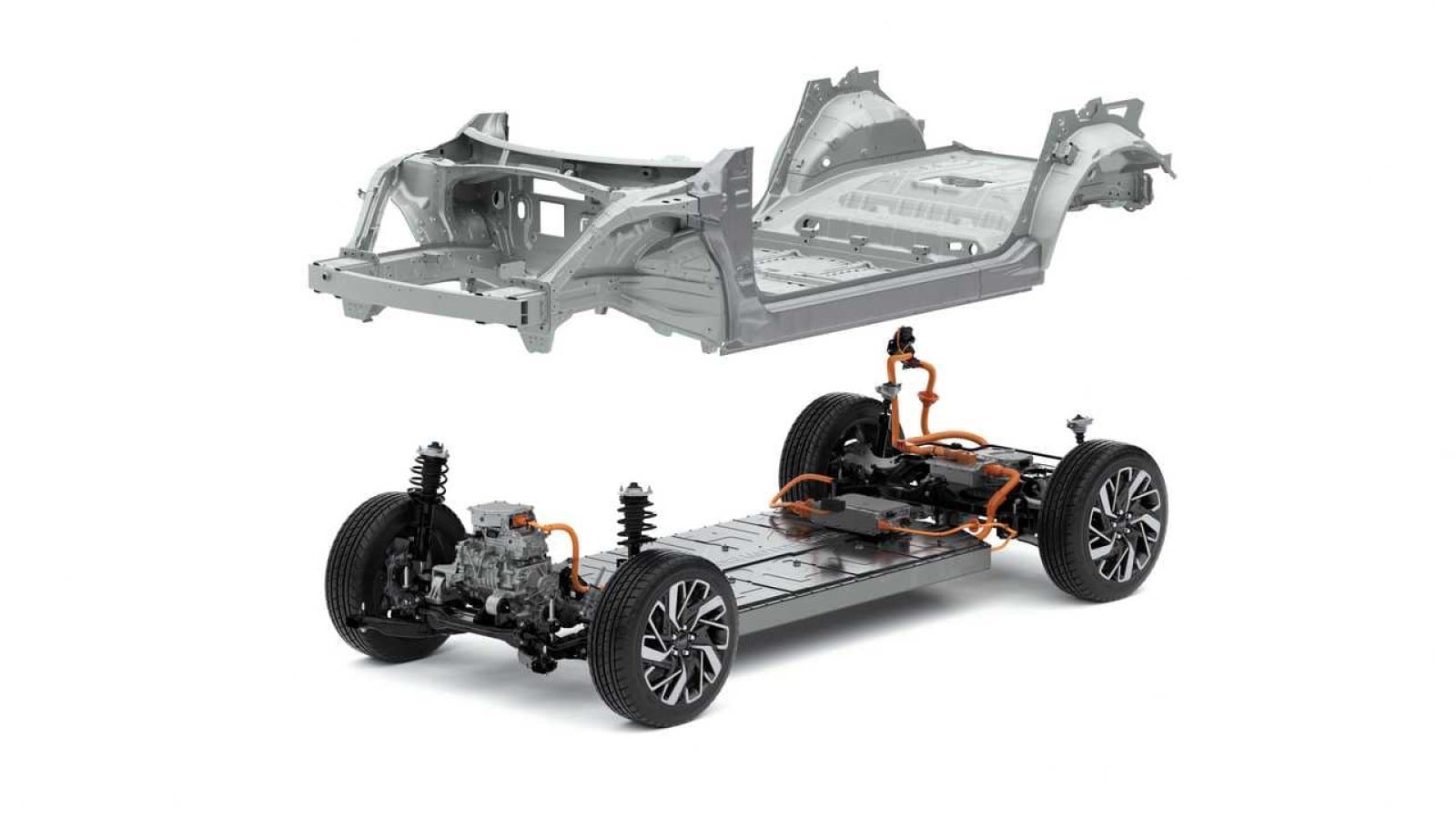
EVs and hybrids have the same warranties, plus one additional warranty. It covers the battery, electric motor, and other electrical parts unique to EVs and hybrids.
Hybrid and EV Warranty Length
Powertrain warranties can vary from manufacturer to manufacturer. Typically, they cover at least five years or 60,000 miles, though some last as long as 10 years or 100,000 miles.
Hybrid and EV battery warranty coverage often lasts longer. Federal law requires automakers to ensure EV and hybrid batteries for at least eight years or 100,000 miles.
California goes even further, requiring a 10-year, 150,000-mile warranty on EV and hybrid batteries. Toyota has adopted that standard in all 50 states.
Do EV Batteries Degrade?
Electric cars on the market today use lithium-ion batteries. That’s the same type found in cell phones. You’ve probably noticed that your cell phone battery degrades over time, showing its age by not holding its charge like it did when new.
The same is true of hybrid and EV batteries. They become a little less efficient with every year. While good battery hygiene can minimize the loss of battery life, nothing can stop it.
The risk of battery degradation, however, can be overstated. Recurrent is a company that tracks EV battery life. Their services include a battery life report, acting much like a vehicle history report for batteries. Studies by Recurrent have found that most EVs lose 5-10% of their battery life in the first five years of ownership.
GeoTab, a Toronto-based company that tracks battery health for fleets, finds that most EV batteries degrade around 2.3% per year.
Do Original Warranties Cover Battery Life Loss?
Most EV and hybrid battery warranties specify when the manufacturer will replace the battery. Tesla, for instance, will replace batteries that fall below 70% of their capacity while under warranty. Volkswagen promises the same for its ID.4 EV. Nissan will replace a Leaf’s battery if its capacity falls under 75%.
Are Battery Warranties Transferable?
Many, but not all, manufacturers transfer warranties when a new owner buys a used EV or hybrid. If you’re shopping for a used hybrid or EV, having a transferable warranty that includes battery coverage should be a crucial financial consideration.
New Electric Vehicle Battery Cost
Most dealerships and some repair shops can install replacement hybrid or EV batteries. Battery costs have generally been declining in recent years but remain high.
For example, a Toyota dealership quoted us $2,700 to replace the hybrid battery on a 2017 Prius. A new battery would come with a 3-year warranty. Refurbished used batteries are available for about half that price.
EV battery replacement is even more expensive. A Nissan dealership quoted us $6,200 to replace the battery on a 2017 Nissan Leaf but cautioned that it could take months to get the part due to current supply chain challenges.
EV Battery Leasing
VinFast is a relatively new entrant to the EV race with a unique battery insurance plan. For the 2023 model year, VinFast buyers will buy their car but lease their battery. Even when opting to buy vs. lease the vehicle, owners will pay a monthly fee for the battery. VinFast promises to replace any battery that falls below 70% of its capacity.
After 2023, buyers will have the option of accepting this arrangement or buying the battery outright.
It isn’t yet clear how VinFast will handle the sale of VinFast vehicles as used cars.
Related Electric Vehicle Stories:
