


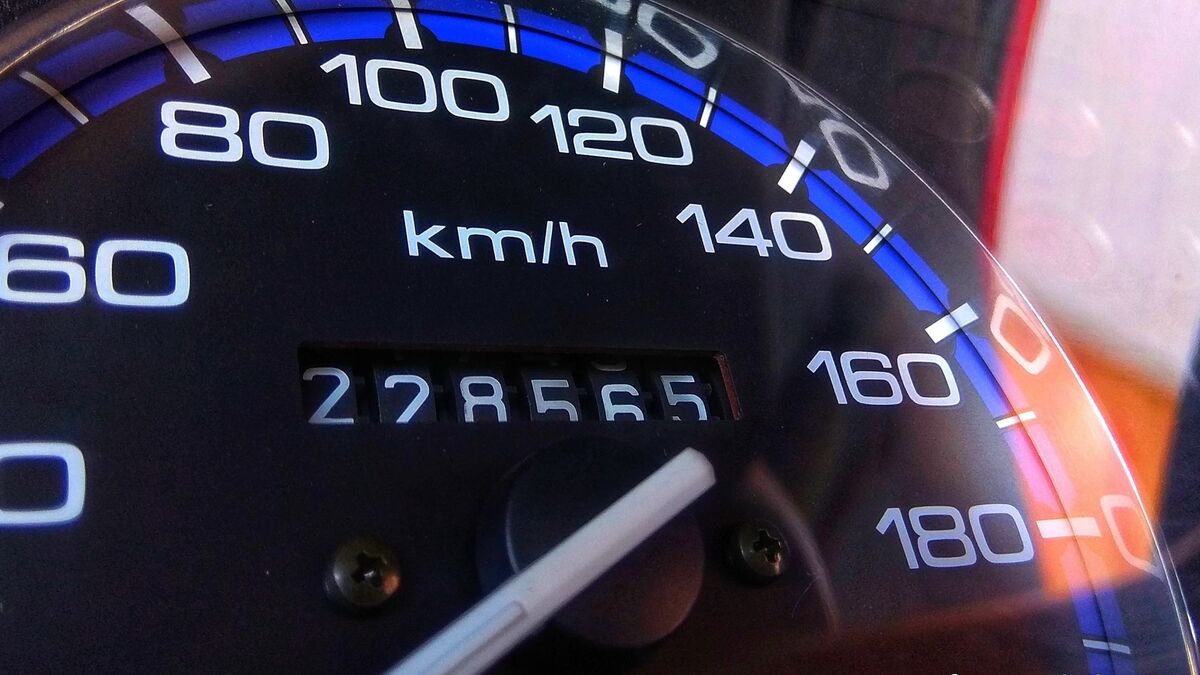
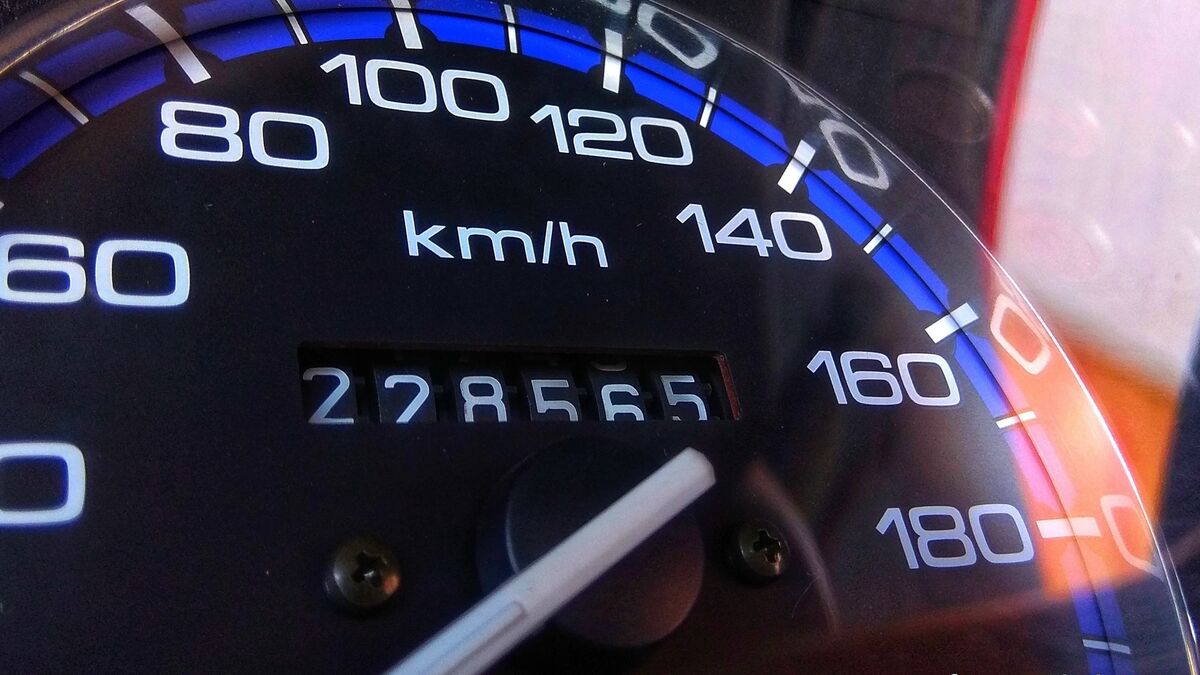
Thanks to modern technology and engineering advances, today’s cars are some of the most reliable, efficient, and powerful vehicles on the road. Despite this, one thing has remained true since the advent of the automobile: Routine maintenance is not only recommended but essential to helping your vehicle last as long as possible.
For many drivers today, new cars are prohibitively expensive, so maintaining older used vehicles is more essential than ever. That said, car maintenance doesn’t have to be intimidating. In fact, manufacturers provide recommended maintenance schedules detailing what to inspect or replace and when, typically found in your owner’s manual.
With that in mind, I’ve created a quick checklist of common service intervals to reference throughout your vehicle’s life. Items on this list, such as regular oil changes, fluid service, and belt replacements, can help keep your vehicle on the road for years to come.
Note: This list is not exhaustive, but it gives a general idea of regular maintenance. If you regularly drive in harsh or adverse conditions, your vehicle may need more frequent service. Refer to your owner’s manual for specific manufacturer-recommended service intervals.
Let’s dive in!
Routine Maintenance Items
Every vehicle has consumable items that need to be inspected or replaced at regular intervals. These items include:
- Oil change, typically every 3,000-5,000 miles for conventional oil, 5,000-10,000 miles for fully synthetic oil
- Engine and cabin air filters, every 5,000-15,000 miles depending on condition
- Tire rotation, 5,000- to 8,000-mile intervals
- Washer fluid level, check regularly and refill when needed
- Wiper condition, inspect regularly and replace when needed, often every 10,000 miles
- Battery, inspect regularly; batteries commonly last 4-5 years or 50,000 miles
- Brake pads, inspect regularly and replace when needed, typically every 50,000 miles
Zero to 500 Miles – Brand New Vehicle
Congratulations! You have a brand-new car with very few miles on the clock.
For some new vehicles, such as the Chevrolet Corvette, the manufacturer recommends a break-in period during which the vehicle may limit certain performance functions. This short period can help internal components, such as the piston rings, seat properly. Typically, this lasts around 500 miles of gentle driving, after which the full range of power is available. Some manufacturer’s recommend an early oil and filter change.
Recommended Services
- Visual Inspection — check tires, look under the vehicle, inspect the engine bay, etc.
5,000 Miles – Just Getting Started
You’ve put 5,000 miles on the clock, and things are starting to feel settled.
At this point, your vehicle is officially ready for its first pit stop! We recommend doing an oil change with fresh, fully synthetic oil and a new oil filter. After the first change, the intervals will likely extend beyond 5,000 miles, since modern fully synthetic engine oils last longer, degrade more slowly, and perform better across a wider range of conditions than conventional oils did. If your vehicle uses conventional oil, the standard 5,000-mile service interval (or less) is normal. Always follow the schedule specified for your vehicle rather than relying on mileage alone.
Recommended Services
- Oil and filter change, if recommended
- Tire rotation, if recommended
10,000 Miles – One Year of Ownership
For many drivers, the first 10,000 miles represent the first year of ownership.
Almost every vehicle on the road at this mileage still offers a manufacturer-provided limited warranty (if it was built within the last few years); however, consumable components like tires, oil, and filters are the owner’s responsibility and should be inspected regularly. At this mileage, we’ll do another oil change, inspect and rotate the tires, and check or replace the cabin and engine air filters.
Recommended Services
- Oil and filter change, if due
- Tire inspection and rotation
- Cabin and engine air filter inspection and replacement, if necessary
30,000 Miles – Nearing the End of Some Warranties
The 30,000-mile service interval is where you really start getting to know your vehicle.
At this point, it’s time to check and replace certain fluids, and you’ve likely done several oil and filter changes by now. It may be a good idea to have a trusted mechanic look over your vehicle before any applicable warranties end. It’s also a good idea to inspect other consumable components, such as brake pads and rotors, brake fluid, and engine coolant.
Recommended Services
- Inspect brake fluid and replace if recommended
- Inspect brake pads, rotors, and engine coolant
- Inspect power steering fluid and replace if applicable
- Visual and mechanical inspections — check tires, look under the vehicle, inspect the engine bay, etc.
50,000 Miles – Halfway to 100
You’ve reached the halfway point to 100,000 miles, and this is when some of the more significant maintenance items may need attention.
If you’re an average driver (clocking around 12,000 miles per year), your vehicle is likely around four or five years old at this point, and so are components such as your tires, battery, and belts. These components all share something in common: they wear with age and use, and these consumable items may require inspection or replacement.
Ignoring worn components can lead to breakdowns and potentially harm other components, and keeping them in good shape helps keep your car on the road longer.
Recommended Services
- Replace brake pads as needed
- Replace and replace brake fluid according to the manufacturer’s schedule
- Test the battery and replace, if needed
- Replace or service the differential fluid, if applicable
- Inspect, rotate, and replace tires, if needed
- Visual and mechanical inspections — check tires, look under the vehicle, inspect the engine bay, etc.
100,000 Miles – In It for the Long Haul
If you’ve made it this far, you’ve likely been a responsible car owner and maintained your vehicle appropriately.
While some people consider the 100,000-mile mark to be “just breaking in” the car, it’s no small achievement. When reaching this mileage, it’s common for vehicles to be a decade old or more, so parts that deteriorate and lose flexibility over time, such as suspension components, hoses, and belts, should be inspected and replaced as needed. It’s also usually appropriate to inspect, replace, or flush components such as your transmission, differential, and transfer case. Spark plugs and timing belts are also common items to replace at this mileage.
Recommended Services
- Replace spark plugs
- Replace timing belt
- Replace cracked or worn hoses, belts, and clamps
- Service transmission, differential, and transfer case fluids as recommended
- Inspect and/or replace shocks and struts
- Visual and mechanical inspections — check tires, look under the vehicle, inspect the engine bay, etc.
Don’t Forget the Owner’s Manual
Recommended service intervals vary, so refer to the owner’s manual for your specific vehicle. While the maintenance items listed above can serve as a general guide for basic service on most vehicles, you should verify the intervals for your vehicle in the owner’s manual.
Regularly maintaining your vehicle can save you money on costly repairs and provide the peace of mind that you’ll arrive at your destinations safely and on schedule.
