


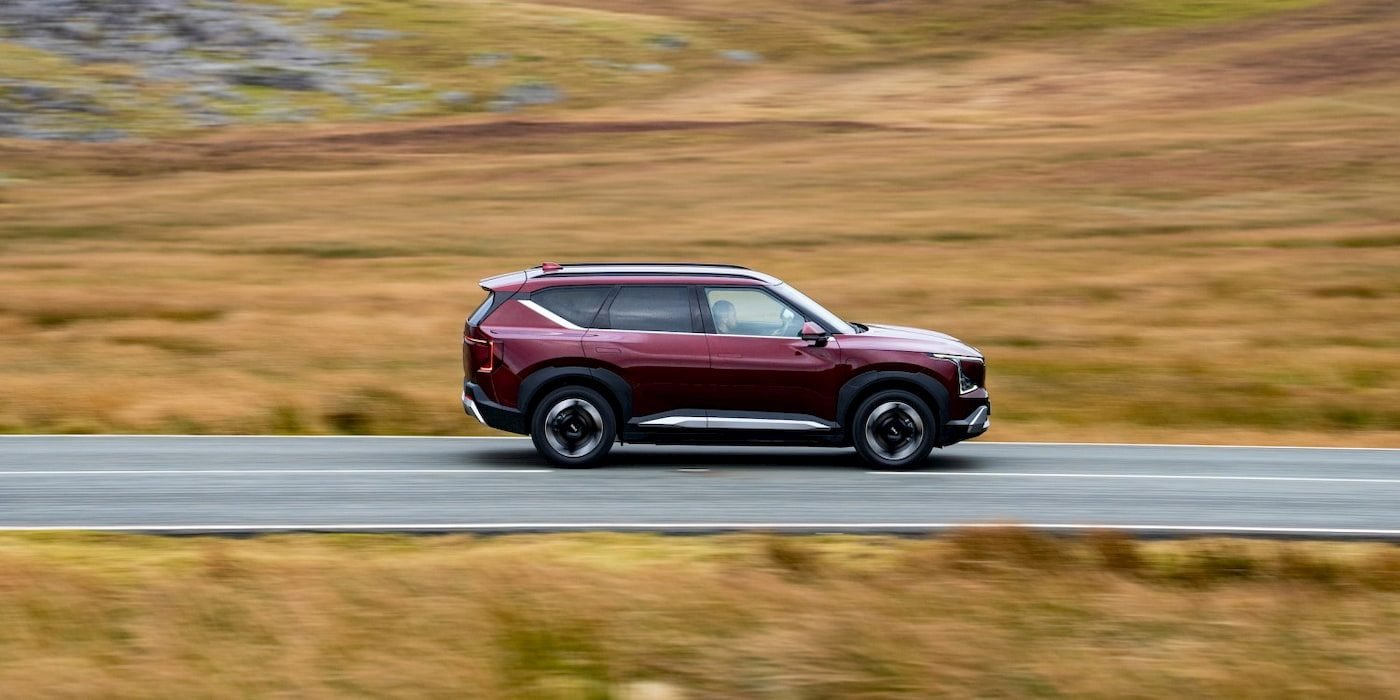

The longer the Strait of Hormuz crisis drags on, the more incentive countries have to get cars off oil and generate more power at home. That’s one of the big takeaways from the International Energy Agency’s (IEA) new “World Energy Outlook 2026,” which examines how the biggest oil supply shock on record could speed up the shift to EVs and solar.
The world had a cushion at first when Trump kicked all this off with Iran. Well-stocked oil inventories helped buffer the initial shock, and the IEA coordinated a release of emergency oil reserves. Some Gulf oil took routes around the strait. Atlantic Basin exporters shipped more, and China sharply cut its crude imports. Now more of the burden is falling on consumers, who are paying higher prices and cutting back.
“While the energy sector and the global economy have shown considerable resilience, the longer the crisis lasts, the deeper the effects will be,” said IEA executive director Fatih Birol.
EV sales are jumping
The IEA has seen EV sales jump in some countries hit by the crisis, along with increased trade in solar panels and batteries. For countries that import a lot of oil and gas, switching to EVs and heat pumps can help reduce their exposure to the next fuel price spike.
“The impact of Hormuz is only just beginning to become clear,” said energy think tank Ember’s chief analyst Dave Jones. “Hormuz will speed up electrification and renewables, likely faster than many people think. So much of the momentum for electrification at COP31 comes from the desire to have cheaper and more secure energy.”
Solar leads renewables growth in every scenario the IEA models, and nuclear power is growing strongly, too. Energy efficiency and biofuels could also gain ground. The push to use more homegrown energy could have a very different effect in parts of Asia, where some countries that import oil and gas have plenty of their own coal and could keep burning it for longer.
The world was already using a lot more electricity before the crisis. Since 2019, electricity demand has grown twice as fast as overall energy demand, outpacing global economic growth. Everything from industrial motors and air conditioners to EVs, heat pumps, and data centers is driving that growth. Electricity comes close to 30% of the energy the world actually uses by 2035 in each of the IEA’s exploratory scenarios.
How much oil could bypass Hormuz?
Before the crisis, around 20 million barrels of oil a day moved through the Strait of Hormuz. If shipping stays risky, new pipelines could route some of those barrels around the strait, while buyers turn to other suppliers or use less oil. In that case, the IEA says the amount of oil that needs to pass through Hormuz could drop to 8.5 million barrels a day in 2030 and below 2 million by 2035. The Middle East would still be the world’s largest oil-exporting region.
If the conflict is resolved, oil and gas supply could bounce back. A delayed wave of liquefied natural gas could also help bring prices down even as buyers refill their inventories. Faster electrification could take some of the demand out of both markets.
Cooling just overtook heating
The world is now using more energy to cool its buildings than to heat them for the first time, the IEA says. By 2035, the global population is expected to grow by 650 million and the economy by a third. Energy needs rise gradually in advanced economies, growth slows in China, and India and Southeast Asia lead faster increases across other emerging and developing economies.
Then there’s AI. Under the IEA’s Stated Policies Scenario, global data center electricity use doubles to 1,000 terawatt-hours by 2030. That buildout is already running into grid and supply chain constraints, and in some places, local opposition. The IEA also flags risks to critical mineral supplies and threats to energy infrastructure from natural hazards and cyberattacks.
The climate math is still tough
Energy-related CO2 emissions stay around today’s levels under current policies. They start to fall under stated policies and drop further in the IEA’s Additional Response Case, which looks at what could happen if governments respond more strongly to the crisis. Even those deeper cuts fall short of what climate goals require. The current and stated policy scenarios point to 2.5C to 2.9C of warming, and the latest round of national climate pledges shows little sign that countries are speeding up energy-sector emissions cuts.
There’s a more immediate cost, too. More people gained access to electricity and clean cooking in 2025, but higher fuel prices and shortages threaten to slow that progress. Around 720 million people still live without electricity, and nearly 2 billion cook with polluting fuels or technologies.
Read more: Europe’s electric car sales jump 49% as global EV sales grow

If you’ve ever considered going solar, make it easy by finding a trusted, reliable solar installer near you that offers competitive pricing by checking out EnergySage. It has hundreds of pre-vetted solar installers competing for your business, ensuring you get high-quality solutions and save 20-30% compared to going it alone. Plus, it’s free to use, and you won’t get sales calls until you select an installer and share your phone number with them.
Your personalized solar quotes are easy to compare online, and you’ll get access to unbiased Energy Advisors to help you every step of the way. Get started here.


FTC: We use income earning auto affiliate links. More.
