


For many car enthusiasts, the thrill of owning a performance machine goes hand in hand with the dream of testing its limits on a race track. Unlike public roads, where speed limits and safety concerns keep you in check, the track offers a controlled environment designed for exploring what your car can really do. But taking your car to the track isn’t as simple as showing up and driving fast. There’s preparation, safety, and etiquette to consider. Whether you own a sports car, a hot hatch, or even a well-maintained sedan, here’s how to get started.
Step 1: Choose the Right Track Event
Track events come in different formats, and choosing the right one depends on your experience and goals:
-
Track Days / Open Lapping: Perfect for beginners, these allow you to bring your street car onto a circuit with minimal competition. The focus is on improving your skills and enjoying the experience.
-
High Performance Driving Events (HPDE): Often organized by car clubs, these events include classroom sessions, instructors, and structured practice. Great for learning proper racing lines and techniques.
-
Time Attack or Autocross: If you’re after competitive timing but not wheel-to-wheel racing, these events let you push your car against the clock.
-
Amateur Racing Leagues: For those serious about competition, wheel-to-wheel racing requires more preparation, licensing, and safety equipment.
For your first outing, start with a track day or HPDE. They’re welcoming, safe, and designed for drivers at all levels.
Step 2: Prepare Your Car
Before hitting the track, your car needs to be ready for sustained high-performance driving:
-
Brakes: Upgrade your brake fluid to a high-temperature DOT 4 fluid and check your pads for at least 50% life. Brakes take more abuse on track than anywhere else.
-
Tires: Inspect tread depth and sidewalls. Street tires are fine for your first sessions, but ensure they’re properly inflated and not worn unevenly.
-
Fluids: Change your oil if it’s due, top off coolant, and check transmission and differential fluid if applicable.
-
Suspension: Ensure there are no loose components, leaks, or worn bushings.
-
Safety Gear in the Car: Remove loose items from the cabin and trunk—anything rolling around becomes a hazard at speed.
A simple rule: if your car is mechanically sound and safe on the road, it can probably handle beginner track sessions. Just give it extra attention to brakes and tires.
Related: Preparing Your Car For The Track
Step 3: Bring the Right Gear
Aside from your car, you’ll need a few essentials:
-
Helmet: Most tracks require an approved helmet (Snell SA or M ratings). Some venues provide rentals, but investing in your own is worthwhile.
-
Driving Gloves and Shoes: Not mandatory, but they improve grip and control.
-
Basic Tools and Supplies: A torque wrench, tire pressure gauge, and some basic hand tools go a long way. Many drivers also bring painter’s tape to protect headlights and body panels.
-
Fluids and Fuel: Bring extra motor oil, brake fluid, and plenty of fuel. Track sessions burn gas fast.
-
Comfort Items: Water, snacks, sunscreen, and a folding chair. You’ll spend more time in the paddock than on the track.
Step 4: Learn the Rules and Etiquette
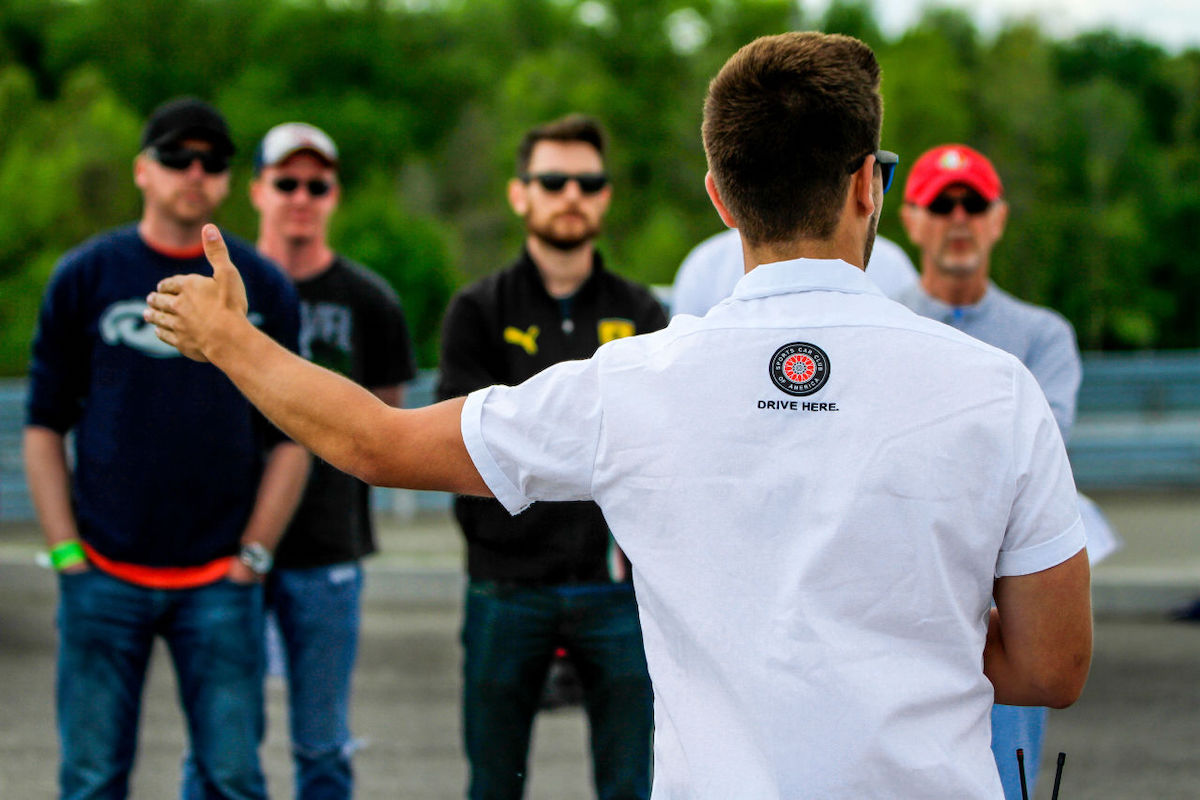
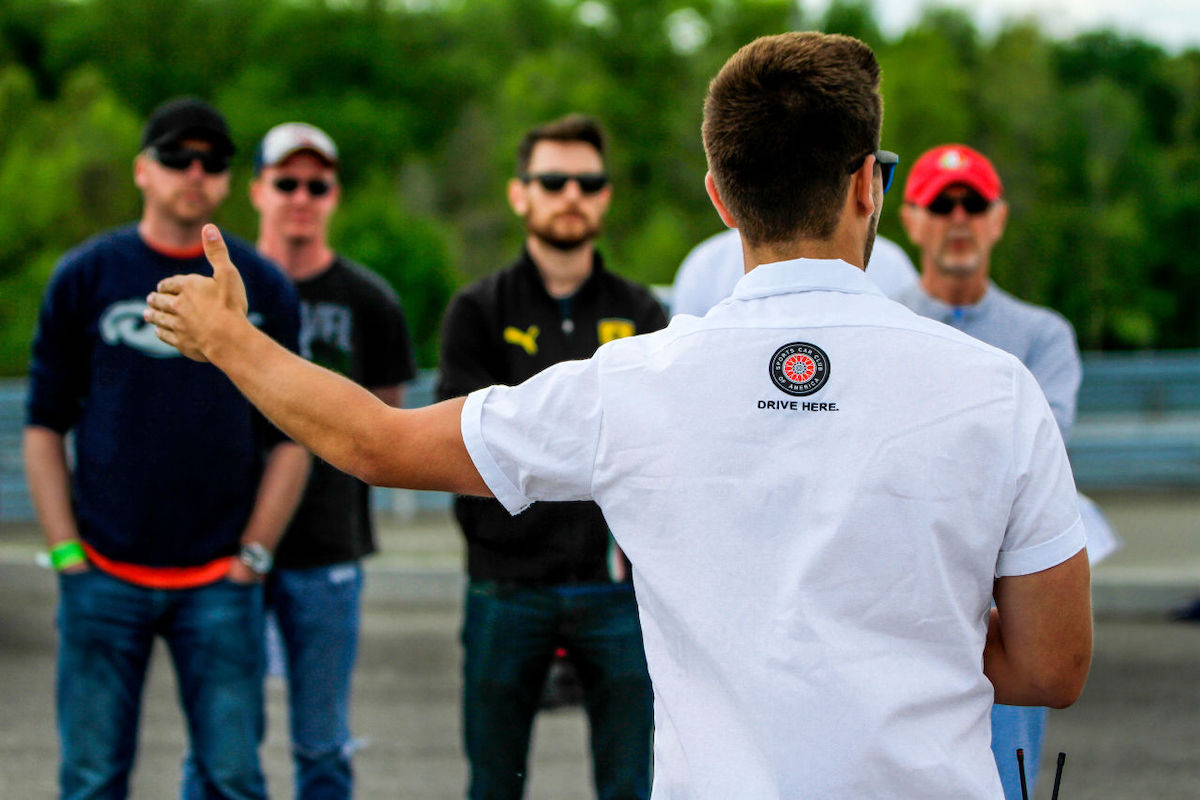
Track driving isn’t just about going fast—it’s about being safe and predictable. Before you go out, there’s usually a driver’s meeting where rules are explained. Some common guidelines include:
-
Passing Zones: Overtaking is only allowed in designated sections, and often only with a “point-by” signal from the car being passed.
-
Flags: Learn what each flag color means. Yellow means caution, red means stop, black means you need to exit the track.
-
Track Entry and Exit: Always enter and exit carefully, checking for oncoming cars.
-
Predictability: Smooth driving is safer and faster. Don’t make sudden lane changes or brake checks.
Good etiquette is about respecting others’ safety and enjoyment. Remember, everyone is there to have fun.
Step 5: Focus on Driving Technique
Your first laps shouldn’t be about outright speed—they should be about learning:
-
Racing Line: Follow the ideal path through each corner, hitting the right apex points. Instructors or track guides can help.
-
Braking Zones: Practice controlled, progressive braking before corners rather than braking late and hard.
-
Vision: Look ahead, not just at the car in front of you. The further you look, the smoother your driving.
-
Consistency: Smooth inputs on the steering, throttle, and brakes make you faster and safer.
Don’t worry if faster cars pass you. Concentrate on building skill and confidence. Speed comes naturally as you refine your technique.
Related: Best Exotic Cars for Track Days
Step 6: Manage Heat and Wear
Track driving pushes your car harder than daily driving. Keep an eye on:
-
Brake Fade: If the pedal feels soft, come into the pits and let them cool.
-
Tire Wear: Check pressures after each session and adjust as tires heat up.
-
Temperatures: Watch coolant and oil temps if your car has gauges.
It’s normal for cars to smell hot after a session, but anything extreme—smoke, fluid leaks, or strange noises—means it’s time to stop.
Step 7: Post-Track Maintenance
After your day, give your car a quick check:
-
Inspect brake pads, tires, and fluid levels.
-
Note any new noises or vibrations.
-
Schedule an oil change sooner than normal, especially if you did multiple sessions.
Your car may need extra attention after repeated track events, but this is part of the fun of performance driving.
Final Thoughts
Taking your car to the track is one of the most rewarding experiences an enthusiast can have. It transforms your understanding of driving, teaches you the limits of your machine, and connects you with a passionate community. With proper preparation, respect for safety, and a willingness to learn, anyone can enjoy the thrill of the circuit—no racing license required.
